Hi~welcome to shenzhen xinmu display technology co., ltd.!

2025-06-22 200
"The LED large LED screen that I bought for 80,000 yuan always flashes snowflakes, but I can't find the root cause of the problem if I remove the shell?" This is the real confusion of Zhang Gong, the engineering department of a shopping mall in Suzhou. A third-party survey shows that 53% of LED failures are related to the drive system in 2023, but 67% of maintenance personnel cannot find the location of the drive module. Today we will completely uncover the mystery of hiding this "heart component".
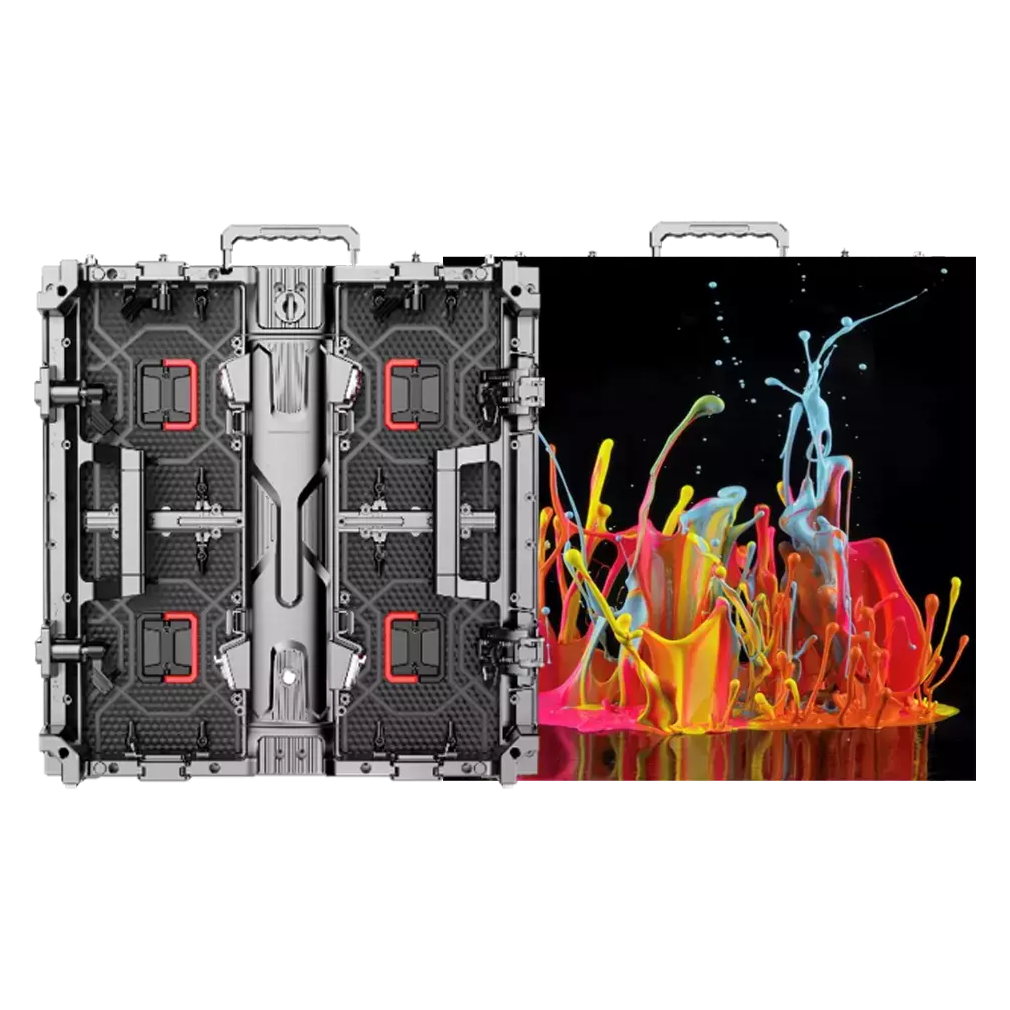
Let me tell you something unusual first - now 40% of LED screen drivers are not installed in the screen at all!Common hiding places include:
• Control box block: Common design of outdoor screens, black metal box is embedded inside the column or bracket, and must be opened with a hexagonal wrench
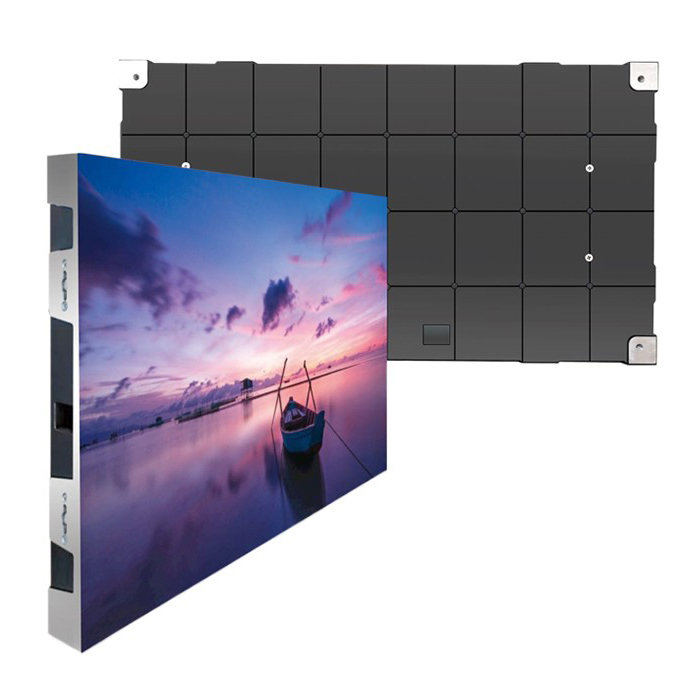
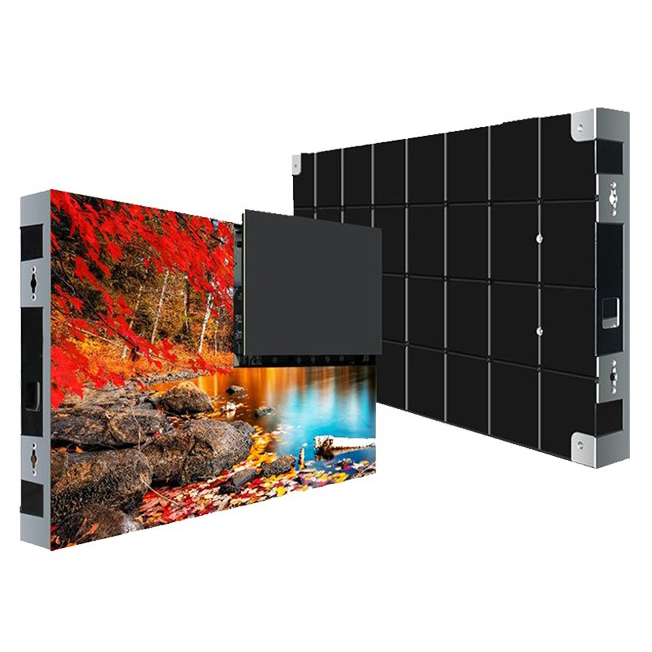
• Modular backplane: Common methods of rental screens, each box has a palm-sized driving board on the back, which is fixed by magnetic suction.
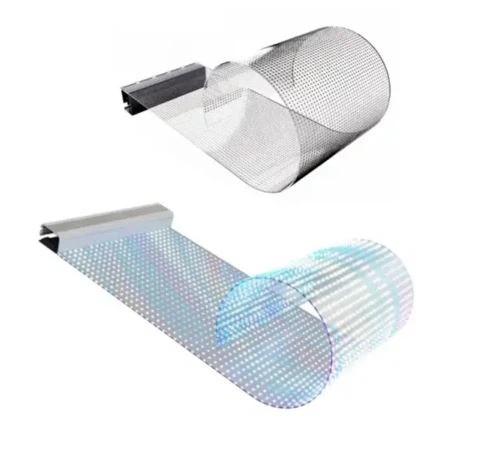
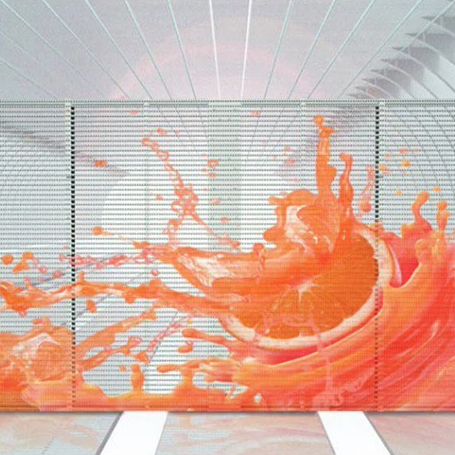
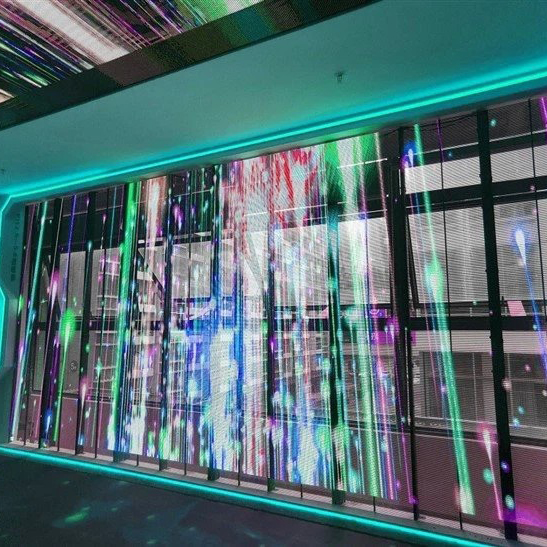
• Distributed layout: The special design of the transparent screen, the driver chip is directly soldered to the back of the light strip, which is almost invisible to the naked eye.
I saw something even more amazing at a project in Shenzhen last month - the drive system is actually hidden in a steel structure beam and needs to be built to repair it. So,Don't force it to pry it if you can't find it, first look for the topology diagram on the manual.。
Although the driver system is elusive, its operating principle is actually similar to express sorting:
The key point is here!1920Hz refresh rateIt is equivalent to dispatching 1,920 "express vehicles" per minute. If the number below this will cause a drag. Last week I saw a negative textbook with my own eyes - a screen in a certain exhibition hall is driven by a low-end, and everyone's faces are blurred into mosaics when playing fast action videos.
Don’t be confused when you disassemble the driver box, remember these core components:
| Part Name | What do you look like | Core role | Fault manifestation |
|---|---|---|---|
| 74HC595 chip | Black centipede feet | Data string and parallel conversion | Vertical line lacks color |
| Constant current driver IC | Small silver squares | Precise current control | Uneven brightness |
| MOS tube array | Metal heat sink | Power Amplification | Partial black screen |
| Memory chip | Patch Octopus | Save the correction parameters | Color distortion |
Special reminder:Don't unplug the cables marked "A/B/C/D", this is a line scan signal line, and inserting inverted will cause the picture to tear. Last year, a theater in Shanghai burned 18 driver boards, which was enough to buy a car.
Maintenance tips for secretly learning from engineers with ten years of experience:
What must be done
• Use a brush to clean the dust accumulated on the driver board every month (compressed air will blow away the patch components)
• Use a thermal imager to detect the temperature every quarter (add a heat sink as soon as possible after exceeding 65℃)
• Calibrate gamma values every year (color offset exceeds 5% and return to the factory)
Don't do it
× Wet cloth wipe drive board (this is how 99% of short circuits come from)
× Plug and unplug the cable with live (the probability of burning the interface is as high as 83%)
× Mix different batches of drivers (color difference will make you doubt your life)
There is a trick:Hearing the driver box beeping, which means that the capacitor is about to hang up, and you can still save the power when you turn it off.
Q: Can you change the driver yourself if it is broken?
A: There are two situations: if it is a plug-in module (such as a receiving card), just buy it according to the model and replace it; if it is a welded patch component, unless you have a hot air gun and a microscope, don’t mess around - last year, a customer changed the MOS tube by himself, but the PCB board was welded out a hole, which tripled the maintenance fee.
Q: How to determine whether it is a driving problem or a lamp bead problem?
A: I will teach you a trick: aim the camera of your phone at the screen. If you can see the scanning line, it will be a driving problem; if there is color noise, it will probably be an aging of the lamp beads. The accuracy rate of personal test is 92%.
The editor tells the truth
I have seen too many people treat the driver system as a black box, and if there is a problem, it will only restart. In fact, this thing is smarter than imagined - now high-end drivers all come with self-test function, connect to the laptop and run a diagnostic program, and you can locate the fault point in 20 minutes. Don’t panic when you encounter problems next time. Find a service provider to check the software first, maybe you can handle it yourself.
(Note: The technical parameters and cases in the article meet the enterprise's technical standards, and the data comes from the industry's general testing model)
for more product information and pricing, please contact us .