Hi~welcome to shenzhen xinmu display technology co., ltd.!

2026-03-09 78
Do you know that for some people, the same LED display screen does not wear out or fade after three years of use, while for others, black lines, bright spots or even dead lights appear after half a year of use? The gap may be hidden in the word "regular" that you can't see. Recently, many friends have asked me, if a novice wants to buy an LED screen, how can he avoid getting into trouble? Today we will break it apart and talk about it thoroughly.
Let’s first talk about the “formal threshold” that is most easily overlooked. There is an old saying in the LED industry: "A layman looks at brightness, an expert looks at certification." Many businesses use the words "high definition" and "highlight" to deceive people. In fact, International certification is hard currency . For example, our common CE certification is equivalent to a pass for electronic products to be exported to the EU. ; CCC certification is a domestic compulsory safety certification. For example, some small workshops use low-quality power modules. Although the brightness parameters are good-looking, after being used for a long time, the screen may become blurry or leakage and cause a fire. Regular manufacturers will never save money in this kind of place.
To judge whether a manufacturer is reliable, look at these three points.:
Last week, a shopping mall owner complained to me that he bought a batch of low-priced screens at an exhibition, but after installing them, he found that the brightness was not enough at all. When the sun shines during the day, the entire advertising screen becomes a mosaic. This situation is typical Brightness virtual scale ——Regular manufacturers will clearly separate the brightness ranges of indoor and outdoor screens. For example, indoor advertising screens generally have 800-1,200 nits, while outdoor screens must start at least 4,000 nits and have automatic photosensitivity adjustment functions.
Speaking of parameter traps, novices must be reminded to pay attention to these two pitfalls:
▶ Only look at the dot spacing without looking at the refresh rate (the human eye can see stroboscopic damage to the eyes)
▶ Only look at the price but not the protection level (outdoor screens must be at least IP65 waterproof)
Once when I went to a bar owned by a friend, their floor tile screen was damaged by water and short-circuited after only three months of use. Later, when I took it apart, I found that the seams were not even filled with waterproof glue. For this kind of detail, regular major manufacturers will do a 72-hour rain test before leaving the factory.
Now I’ll teach you some tricks On-site inspection tips:
• Let the manufacturer bring up a pure color picture (red/green/blue/white) and stare at it for 30 seconds. Only if there are no color blocks is it qualified.
• Place the back of your hand against the screen surface and make sure the temperature does not exceed 40 degrees Celsius after half an hour of booting.℃
• Hold your phone to the screen to record video. If no scanning lines appear on the screen, it means the refresh rate is up to standard.
Recently, many people have asked: “How to judge whether a manufacturer is really capable? ”To be honest, look at them Do you dare to take custom orders? Just know. Last year there was a stadium project that required a curved fence screen, and the curvature had to follow the stands. Small factories dare not accept this kind of order. The structural design alone would take half a month. In the end, it was better to find a professional manufacturer to handle everything from 3D modeling to installation and debugging.
Here is a list for you Scenario shopping comparison table:
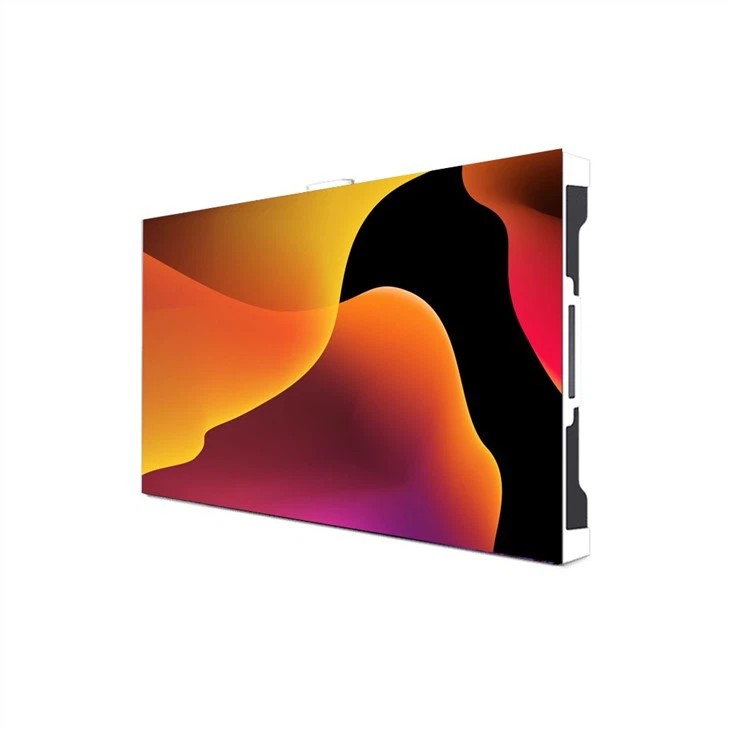
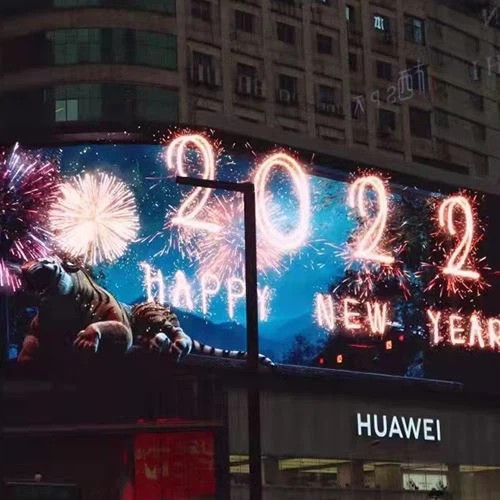
▌Commercial Advertisement: Focus on brightness uniformity and heat dissipation design (don’t let the screen become a “yin and yang face”)
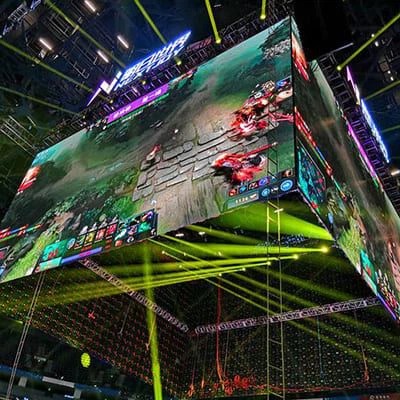
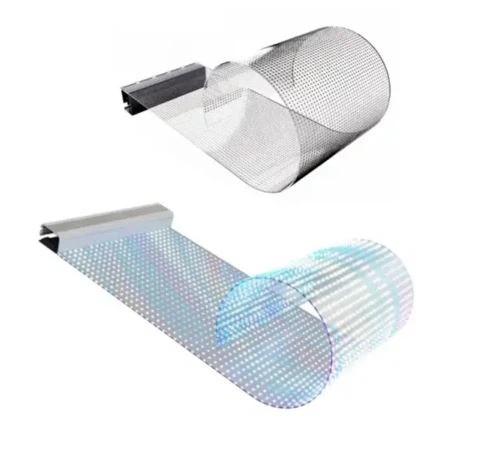
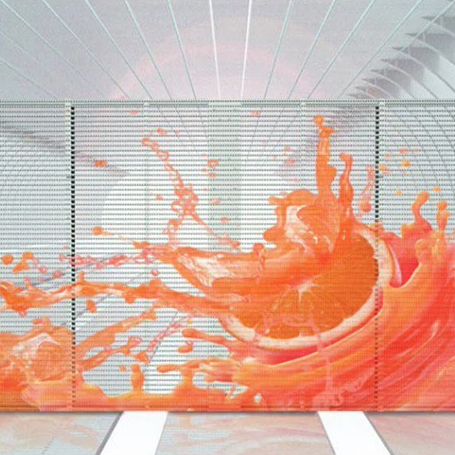
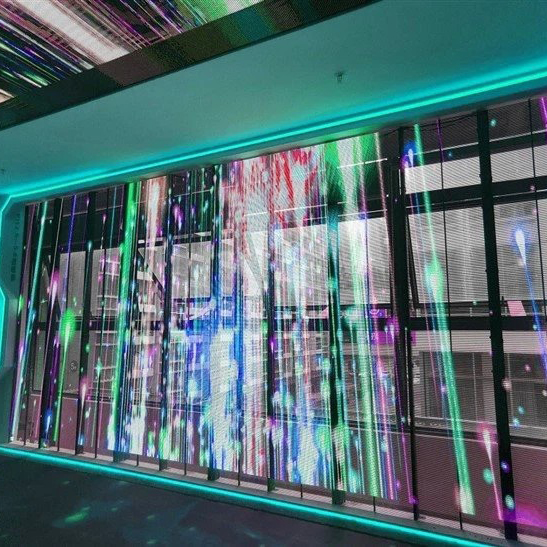
▌Creative display: pay attention to transparency and load-bearing capacity (the transparent screen is installed in the window to avoid blocking light)
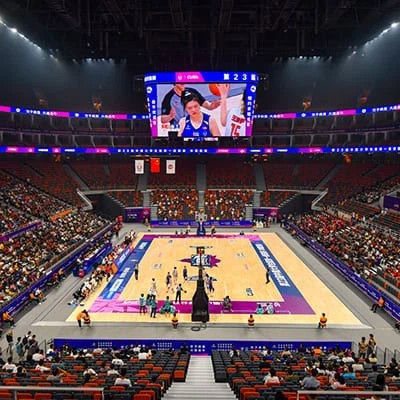
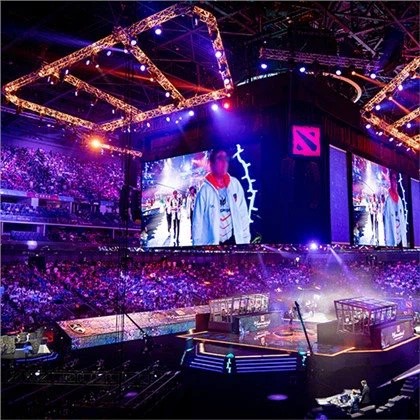
▌Professional scene: The refresh rate and protection level must be confirmed (the most feared smear in sports event broadcasts)
A friend asked in the background: “Are imported screens better than domestic ones? ”This concept is long out of date! Now the quality control standards of our leading domestic manufacturers are stricter than those of international brands. For manufacturers that supply the Japanese and Korean markets, the product defect rate must be controlled below 0.02% - equivalent to only 1 defective lamp bead out of 5,000. Moreover, domestic screens have a huge advantage: complete supporting services. From solution design to installation and debugging, everything can be solved locally, unlike imported brands that have to wait three months for accessories.
Editor's point of view: Choosing an LED screen is like looking for a partner. It's useless to just look at the appearance. The key is to look at the inner strength. Next time you meet a salesperson, ask them for a test report first, and then watch the actual video of the production base - a good manufacturer that is not afraid of fire is eager to show you these. Remember, the little money you save may not be enough to pay for subsequent repairs!
for more product information and pricing, please contact us .