Hi~welcome to shenzhen xinmu display technology co., ltd.!

News Center

hotline:

13632760729

How to look at the LED display model? 5 identification skills that novices must know

2025-10-19 81

Are newbies who are new to the industry often confused by various LED display models? They are both named P3 and P4, so how come the brightness is three times different? Looking at a string of password-like alphanumeric combinations in the product manual, does it feel more strenuous than learning advanced mathematics? Don't panic, today we will use the most down-to-earth way to thoroughly understand the LED display model.

How to look at the LED display model? 5 identification skills that novices must know

​The first tip: the letters and numbers in the model number are not made up randomly.​
For example, if you see a model like NS-P3.9-1920H, don’t be fooled. Taking it apart: NS represents the product line category (not a certain brand), P3.9 refers to the pixel pitch of 3.9 mm, and 1920H refers to the refresh rate of 1920Hz. There is a pitfall to be aware of here - some manufacturers will hide the brightness parameters in the model. For example, the suffix 7500 usually refers to the maximum brightness of the outdoor screen. The most common mistake that novices make is to only look at the P value and ignore the brightness. As a result, the screen they buy cannot be seen clearly during the day.

​The second trick: What is the direct relationship between the model and the actual effect?​
Let’s take a real case: Last year, a shopping mall installed two P2.5 screens at the same time. As a result, customers generally reported that the picture on the left side was more detailed. Later I discovered that although the pixel spacing is the same, the grayscale level of the one on the right is only 12bit, while the one on the left uses 16bit low-brightness and high-gray technology. This is like two mobile phones with the same screen resolution, but very different color performance. Therefore, you must confirm these three parameters when looking at the model:

  • Refresh rate (at least 1920Hz to avoid hurting the eyes)
  • Grayscale (14bit or higher is recommended indoors)
  • Protection level (must be IP65 or above for outdoor use)

​The third tip: Don’t just look at the manual to check the model parameters.​
One time I went to the factory for an on-site inspection and discovered an interesting phenomenon: the product manual stated that the brightness of the P4 screen was 4000nit, but when the engineer debugged it on site, it could reach 5000nit. The original model parameters are marked with basic values. In actual use, the upper limit can be exceeded through intelligent adjustment. So the most reliable method is:

  1. Ask sales to provide third-party testing reports
  2. See the screen of the same model in action
  3. Focus on the display effect comparison between early morning and noon

​Tip 4: Three major misunderstandings in model selection​
These are the three pitfalls that novices are most likely to fall into. I dare say that 90% of people have fallen into these traps:

  1. I think the smaller the model number, the more expensive it is (in fact, the protection level and special functions affect the price more)
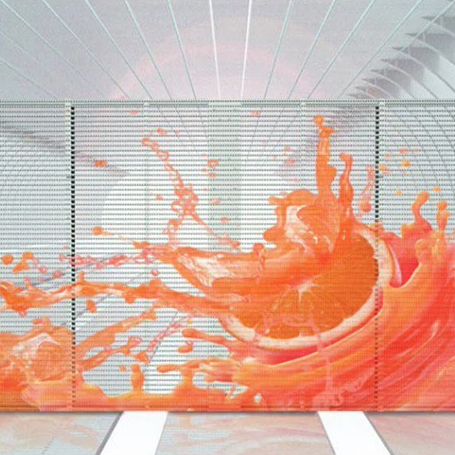
  2. Blindly pursue the latest model (for example, choosing P2.5 for a transparent screen is not as cost-effective as P3.9)
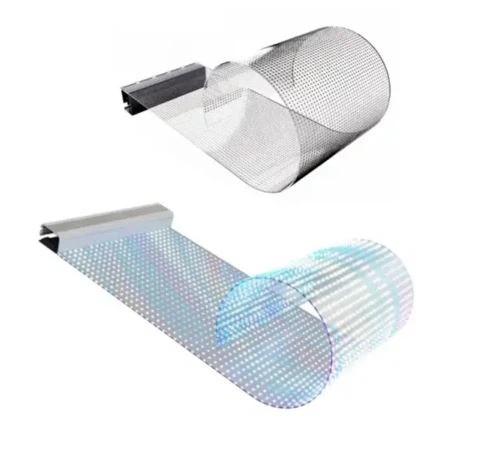
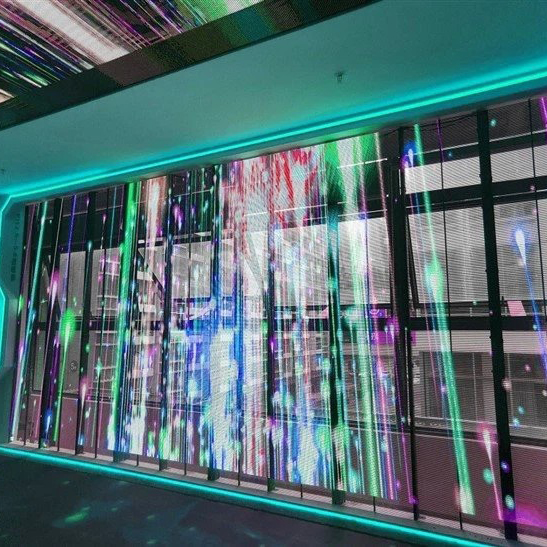
  3. Ignore the installation environment (screens installed in glass curtain walls must consider 86% light transmittance)

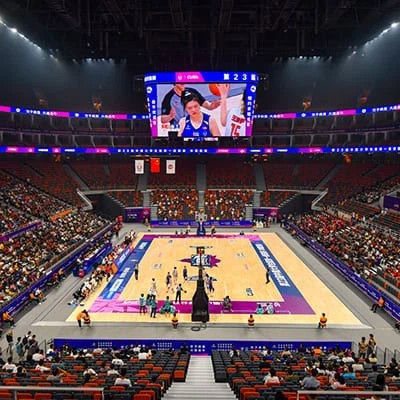
A few days ago, a friend asked me: "Why do the stadium fence screen models all have the F suffix?" "In fact, this is a special model specially designed for guardrail structures. Its wind resistance and heat dissipation performance are more than three times better than ordinary screens. If you replace it with an ordinary model, it will have to be repaired in half a year.

​The ultimate torture: Who should trust the model parameters? ​
I've also struggled with this issue. Until I saw the installation master's operation with my own eyes: the first thing they did when they got the new model screen was not to read the manual, but to directly use the tester to measure the actual parameters. Now I'll teach you a trick - ask the manufacturer to provide a "Parameter Error Range Commitment Letter", writing in black and white the allowable deviation values ​​of core indicators such as brightness and refresh rate. Especially for those who do stage rental, this method can avoid 90% of disputes.

The editor’s experience over the years can be summed up in one sentence:​ ​The model number is like a person’s ID card. The key is not to remember the numbers, but to understand the secret behind the numbers.​ ​. Next time you encounter a model that you don’t understand, you can directly ask the manufacturer to connect to the video to see the real-time picture effect, which is ten times more effective than comparing the parameter table. If you have other practical questions, such as how to judge the service life of the screen based on the model, please leave a message in the comment area and we will continue to chat.

for more product information and pricing, please contact us .

Shenzhen New Screen Display Technology Co.Ltd