Hi~welcome to shenzhen xinmu display technology co., ltd.!

2025-10-08 74
Do novices who are new to LED displays often encounter this situation? It is obvious that the two screens are supposed to display the same content, but one is on and the other is black. Last week, a girl who runs a milk tea shop was stamping her feet anxiously - one of her newly installed two menu screens always displayed a price list and the other played an advertising video. Don't panic, today we will unveil the mystery of this "copy mode".
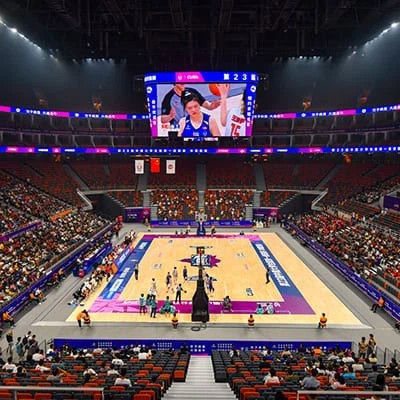
Let’s talk about some trivia first: There are two types of replication modes: hardware replication and software replication. . Just like you can use key combinations or floating balls to take screenshots on a mobile phone, the copy function of the LED screen is also hidden in different places. Recently, when I helped a client debug the stadium fence screen, I discovered that the entrance settings for the same equipment with IP65 protection level may be completely different.
Here is a real case: 8 poster screens in a supermarket chain needed to synchronize promotional information, and the technician searched for three days before discovering that they were The signal distributor jumper is plugged into the wrong position. . In fact, just remember this formula: "Check the cable first, then the menu, and keep the hardware and software separate." The following comparison table is recommended for collection:
| Device type | Copy mode entry | Common triggering methods |
|---|---|---|
| Conventional advertising screen | Remote control system settings | Long press the menu key + left direction key |
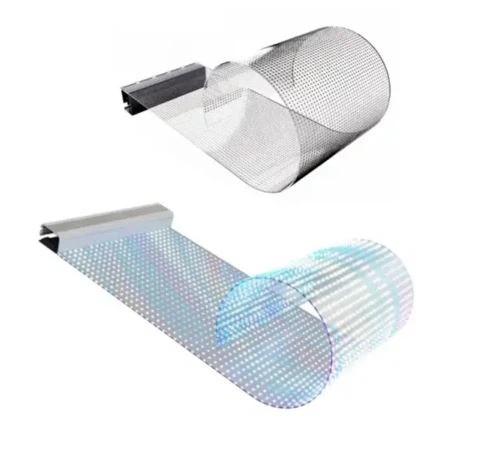
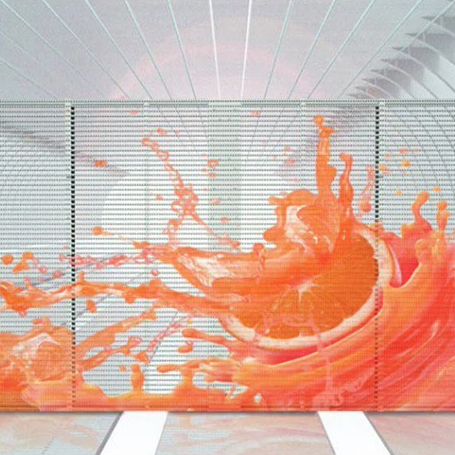
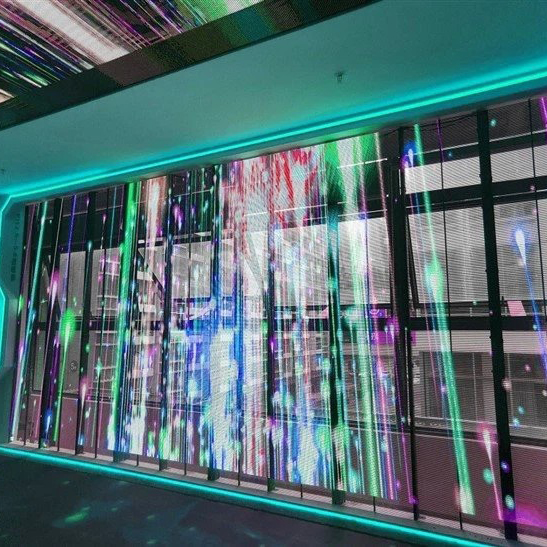
| Transparent video wall | Control card DIP switch | Turn switches 3 and 5 to ON at the same time |
| Rental screen | Receiving card firmware program | Use debugging software to check "Mirror output"" |
| Floor tile screen | Central control system synchronization settings | Create a device group and select clone mode |
Some readers want to ask: "I followed the instructions, why does the copy still fail?" "I encountered this when I was debugging a dance floor tile screen for a music festival last year. Only 59 of the 60 screens were synchronized. Finally, it was found that The firmware version of one of the receiving cards is inconsistent. . The solution is simple:
Important note: Models with intelligent brightness adjustment require special settings . For example, when automatic dimming is turned on for an outdoor advertising screen, directly copying the image will cause the brightness parameters to be out of sync. At this time, you need to turn off "independent brightness control" in the advanced settings, just like wearing the same clothes for twins and having to use the same size.
When it comes to hardware replication, many novices will ignore the key component of the jumper cap. Last week, I helped a customer deal with the problem of out-of-synchronization of the transparent display window screen. When I opened the control box, I found that the jumper cap was not inserted at all. Here is a tip: Find the pin position marked "CLONE", press the red jumper cap vertically until you hear a "click" sound.
Software copying is more of a test of patience. Take common control software as an example:
But there’s a catch – some 4K HD LED walls need to be reduced in resolution before they can be copied. Just like using an old graphics card with a new monitor, you have to adjust the resolution to below 3840×2160 in the display settings, and then adjust it back after the copy is completed.
Many new models recently support wireless copying capabilities. However, actual measurements have found that transmission distances exceeding 50 meters are prone to frame loss. If it is a multi-point advertising screen in a shopping mall, it is recommended to use the optical fiber transmission + replicator solution. Although the cost is higher, the stability is much better.
Finally, let’s talk about a dumbfounding case. The dual-screen signage at the front desk of a restaurant was always displayed half a minute behind the times. An inspection revealed that the employee had set the copy mode to extended mode. This is like putting the same book on two bookshelves, but it ends up in two volumes. The solution is to change "Extend these displays" to "Copy displays" in the display settings.
In fact, finding the copy mode is like playing an escape room. The key is to know where the "mechanism" of the device type is hidden. Next time you encounter a synchronization problem, don't rush to the after-sales service. Follow the steps mentioned today to troubleshoot. Maybe you can become a technical master. Remember, there are two core points for multi-screen collaboration: the signal path must be smooth, and the software and hardware settings must be synchronized.
for more product information and pricing, please contact us .