Hi~welcome to shenzhen xinmu display technology co., ltd.!

News Center

hotline:

13632760729

Where is the LED display line hidden?

2025-06-25 202

Have you ever experienced such a crazy moment? The newly installed LED large screen suddenly turned black, five or six technicians were spinning around the equipment, and the screwdrivers in the toolbox were almost bald, but they just couldn't find the deadly data cable? Last week, a friend who opened a gym complained to me: "I spent 300,000 yuan to install the ring screen. I found that the video cable was missing during debugging, and members almost collectively returned the card!" Today, we will "splitting all the LED screens" and see where those elusive lines are hidden.

LED显示屏的线路到底藏在哪里?

(Tell you secretly that industry data shows that 68% of screen failures are caused by wire problems, which is much more deadly than damage to lamp beads)


1. First, recognize what these "blood vessels" do

Friends who have just entered the industry are prone to be confused-​​I thought the LED screen was done with just one power cord​​. In fact, the circuit on this thing is more complicated than the blood vessels of the human body. Let’s first identify the door number:

  1. Power cord​: Black cables that are as thick as forearms, usually with a three-pin plug (care to see if there is any grounding mark)
  2. Signal line​: Twisted pair wire with metal shielding, the connector looks like a telephone line plus version
  3. Network cable​: Eight-core crystal heads, some of which are specially marked with fluorescent green outer skin
  4. ​Separate cable​: Redundant lines tied into twisted shapes can save lives at critical moments

Last year, the main stage of a music festival suffered a loss. After the signal line was stepped on, the backup line was hidden in the mezzanine of the box and it was not connected, causing 100,000 people on the scene to watch the screen for half an hour.


2. The normal hidden line position is large and bottomed out

The LED screens in different scenarios have a more exciting way to hide the thread than a spy movie:

1. "Tunnel Warfare" in the box structure
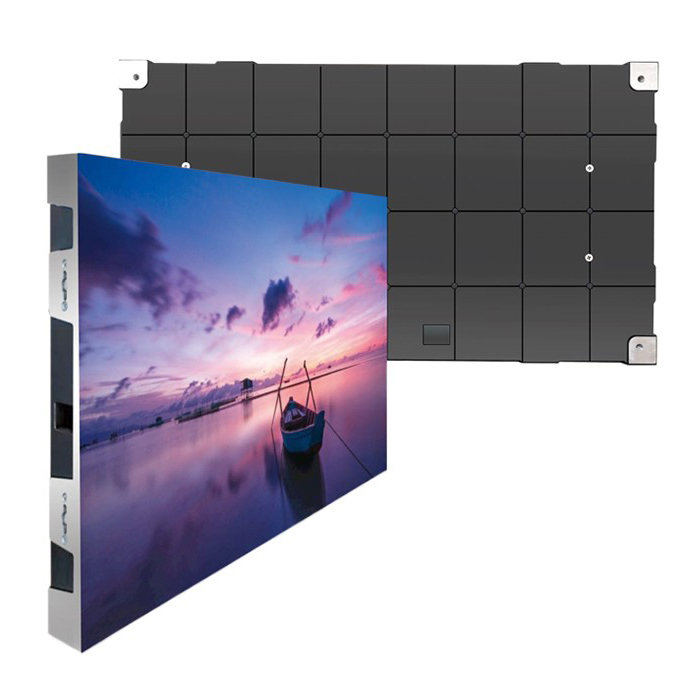
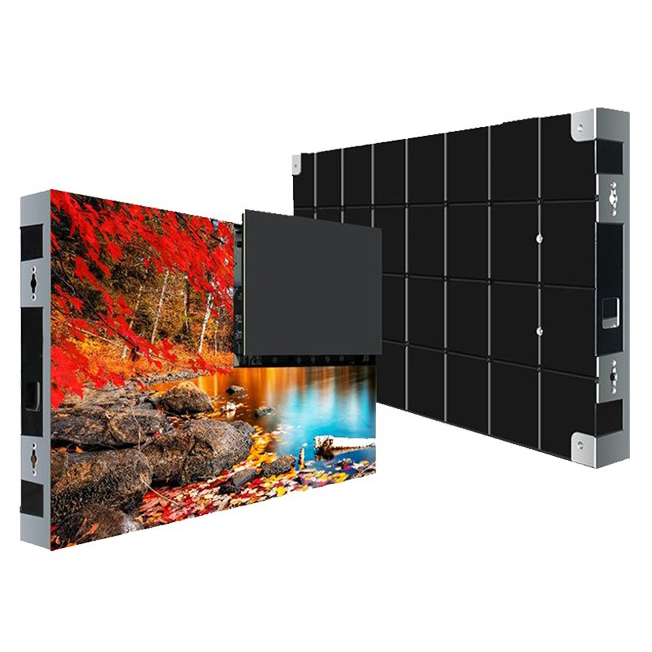
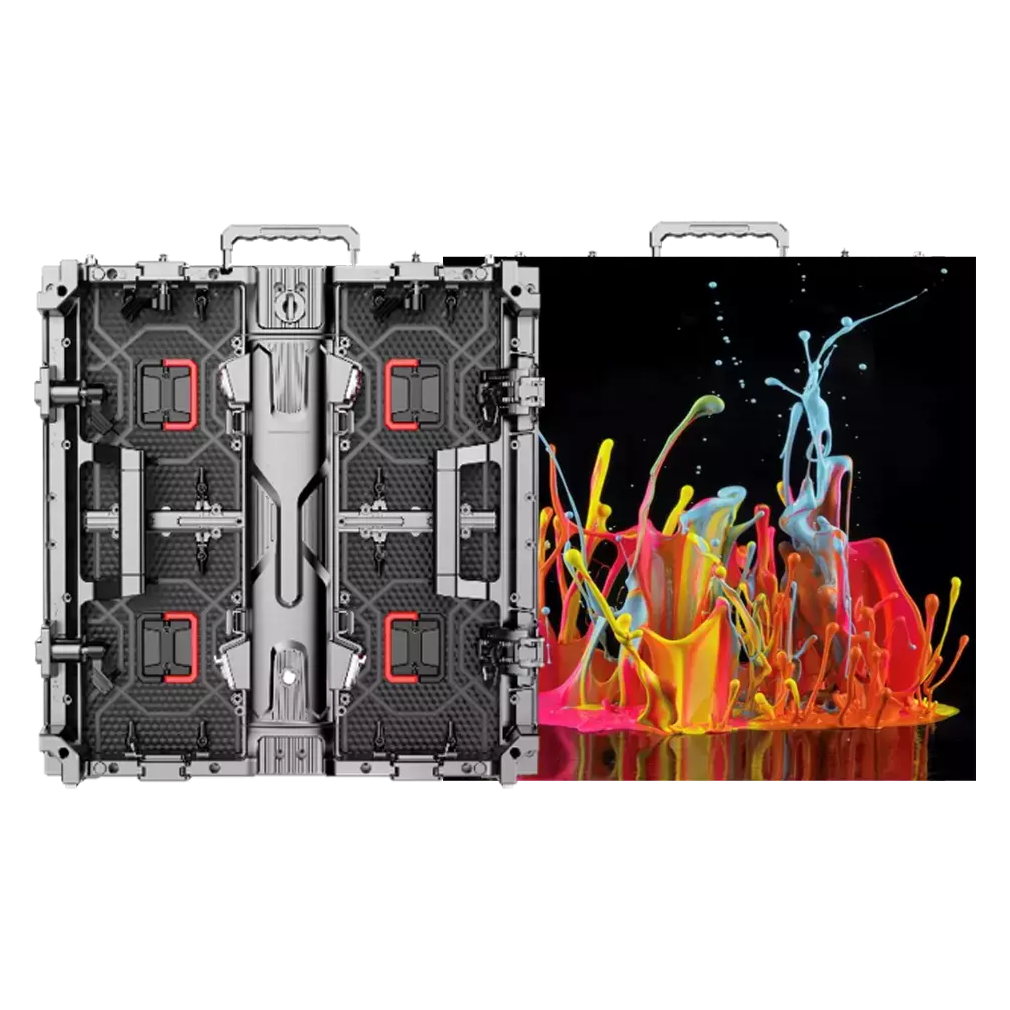
Most fixed installation screens will be designed with exclusive wiring ducts:

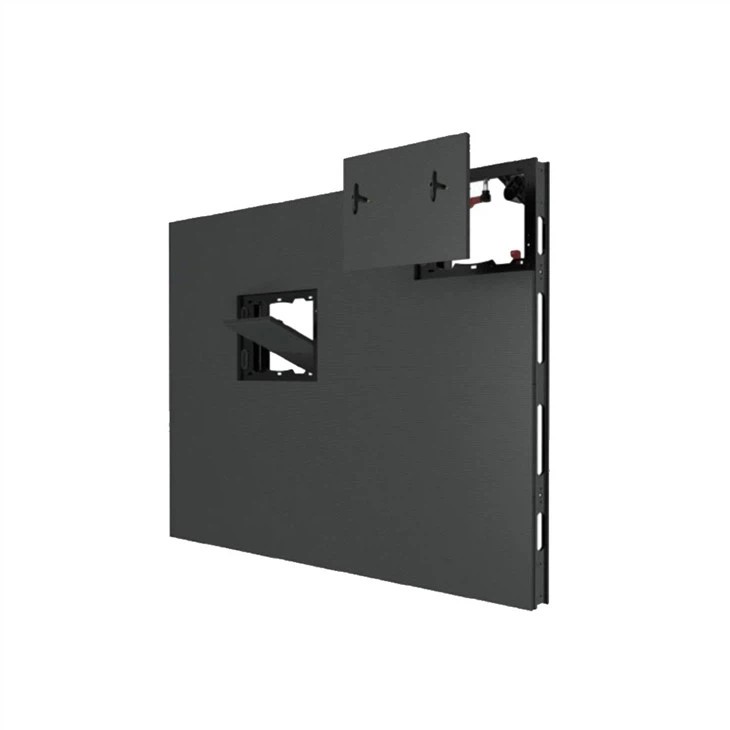
  • Open the dustproof board on the back cover of the box (don't use a screwdriver to pry it hard)
  • Touch along the grooves of the aluminum alloy skeleton (wear gloves! Be careful of burrs)
  • Seeing the wiring harness fixed with the strap is the main one

There is a classic case: The line of the lifting screen in a shopping mall is actually penetrated into a steel structure beam. It can only be seen with an endoscope during maintenance, which makes the maintenance master so angry that he jumped straight.

2. "Silk Hole" in the control system
The sending and receiving cards are usually around the line distribution center:

  • Send: The wire hanging on the back of the cabinet like a waterfall
  • Receiver: Each module has an exclusive interface behind it
  • Repeater: a transit station hidden in steel structure columns

I will teach you a trick: follow the signal indicator light to find it. There must be a wire head at the location where the red light is on.

3. Specially designed "invisibility"
High-end screen models will have these tricks:

  • Floor tile screen: The line is buried under the floor grille
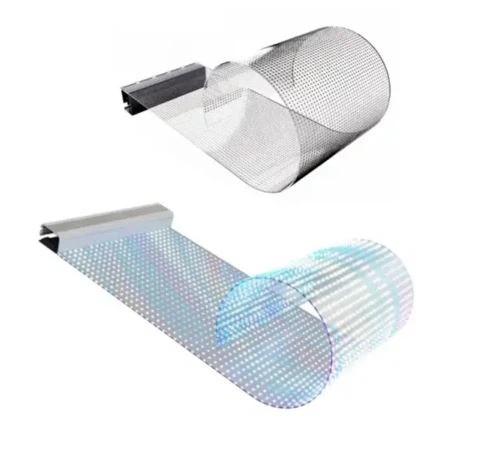
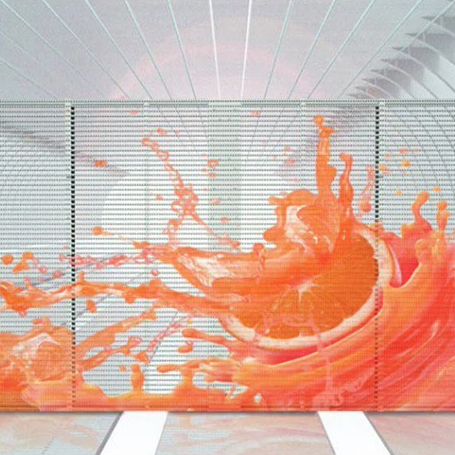
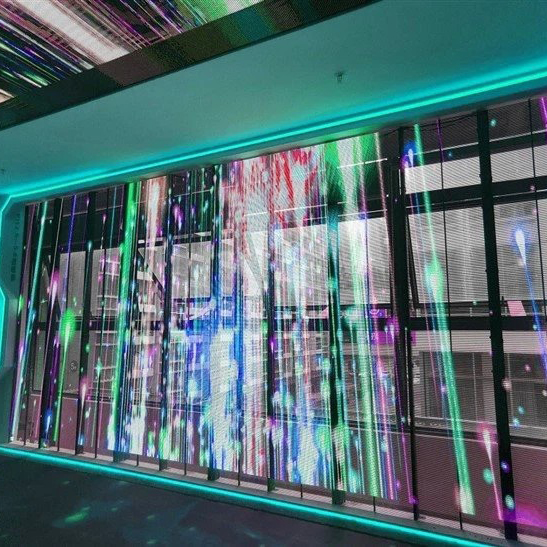
  • Transparent screen: Use glass mezzanine to take invisible circuits
  • Arc screen: Set up bellows channels at bends

The most amazing thing I have ever seen is the rotating screen of a certain auto show. The lines are actually transmitted through hollow shafts. During maintenance, the five-layer structure must be opened like a Russian doll.


3. A list of line search artifacts and deadly operations

The experience I have accumulated over the years of traps, today I vomited blood and gave it to you:

​Essential tools set​:

  1. Multimeter (on-off measurement is ten times more reliable than naked eyes)
  2. Cable detector (can find the wire head through the wall)
  3. Color label stickers (different colors are pasted on different lines)

​Death behavior rankings​:

  • Use a utility knife to cut the shield (feed the signal to the dog in minutes)
  • Bundle the power cord and the signal cord together (waiting for the electromagnetic interference gift package)
  • Check the outdoor screen circuit on rainy days (wet hands will be "good" until it reaches the sky)

Last month, a colleague didn't believe in evil. When the network cable was plugged in and unplugged, the interface exploded directly. The zeros on the repair order were as good as a phone number.


4. Why should line planning be done in advance?

When I see this, some old friends may ask: "Can't it be possible to organize it after it is installed?" As a person who has experienced it, I must tell the truth:​LED screen wiring is like vascular surgery​, we must prepare for the future:

  1. ​Heat dissipation needs​​: The wire and the heat sink must be kept at a distance of more than 3cm
  2. ​Extend requirements​: 20% redundant length is reserved for each route
  3. Maintenance requirements​: A maintenance port must be set up at key nodes (don't seal it with glass glue)

The most tricky thing is that I have seen a certain court screen. All the lines are poured in concrete. During the later renovation, I can only use impact drills to open the wall, and the maintenance fee is more expensive than the installation fee.


5. Future trend: Will wireless screens break the life of wires?

There is a new trend in the industry now:​Wireless transmission technology​. But to be honest, concepts are more practical than practical at this stage:

  • Transmission delay is stuck at 8ms bottleneck (high-speed screen will drag on)
  • Anti-interference ability is three orders of magnitude worse than wired
  • Power consumption issues discourage outdoor screens

The "wireless transparent screen" created by a certain brand last year was indeed amazing during the demonstration. As a result, when it was officially used, the wifi signal next door could make it splash the screen, and finally it was disgraceful and changed back to wired transmission.


Next time you encounter the problem of finding lines, don’t rush to greet the manufacturer’s designers. Follow this process to check:

  1. Find out the screen model (it is more reliable to see the box and steel printing)
  2. Find the engineering drawings (don't believe the lies of "installing with memory")
  3. Rewind from the terminal device (receive card → send card → video source)

If you really can't find it...you know, please contact the original installation team immediately. After all, professional things need to be done by professionals. Do you think this is the reason?

for more product information and pricing, please contact us .

Shenzhen New Screen Display Technology Co.Ltd