1. The core logic of urban spatial layout
Q: In which areas are advertising LED displays suitable for installation?
There are three golden points in the modern urban visual system:
-
traffic hub area
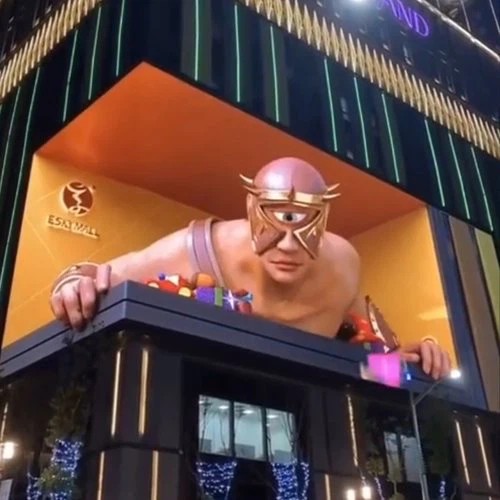
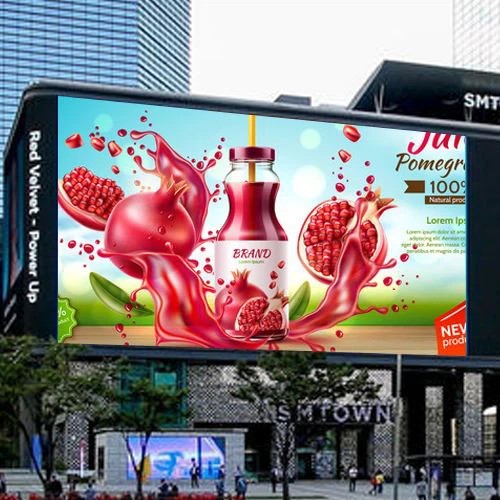
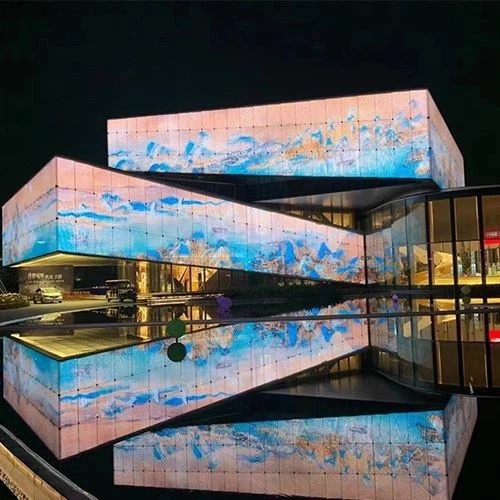
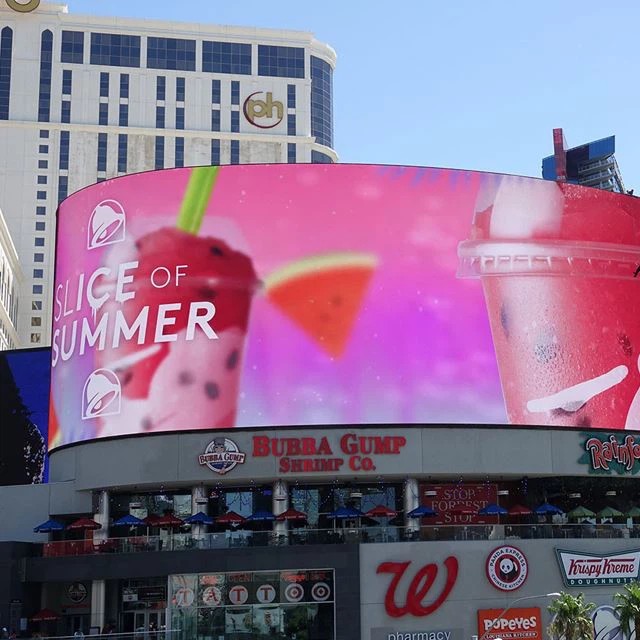
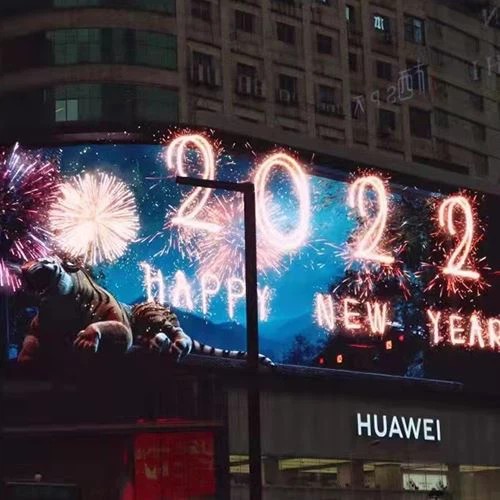
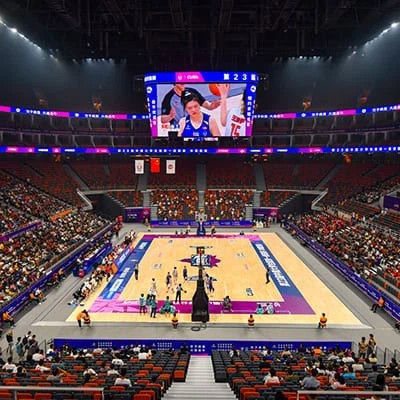
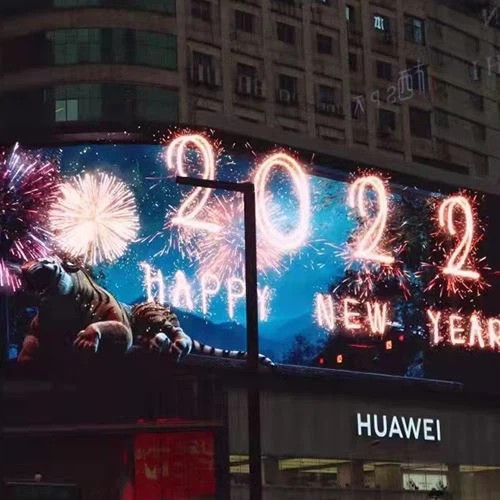
- commercial complex facade : Exterior walls of business districts with an average daily flow of over 50,000 people, suitable for 4000-7500cd/m² high-brightness screens
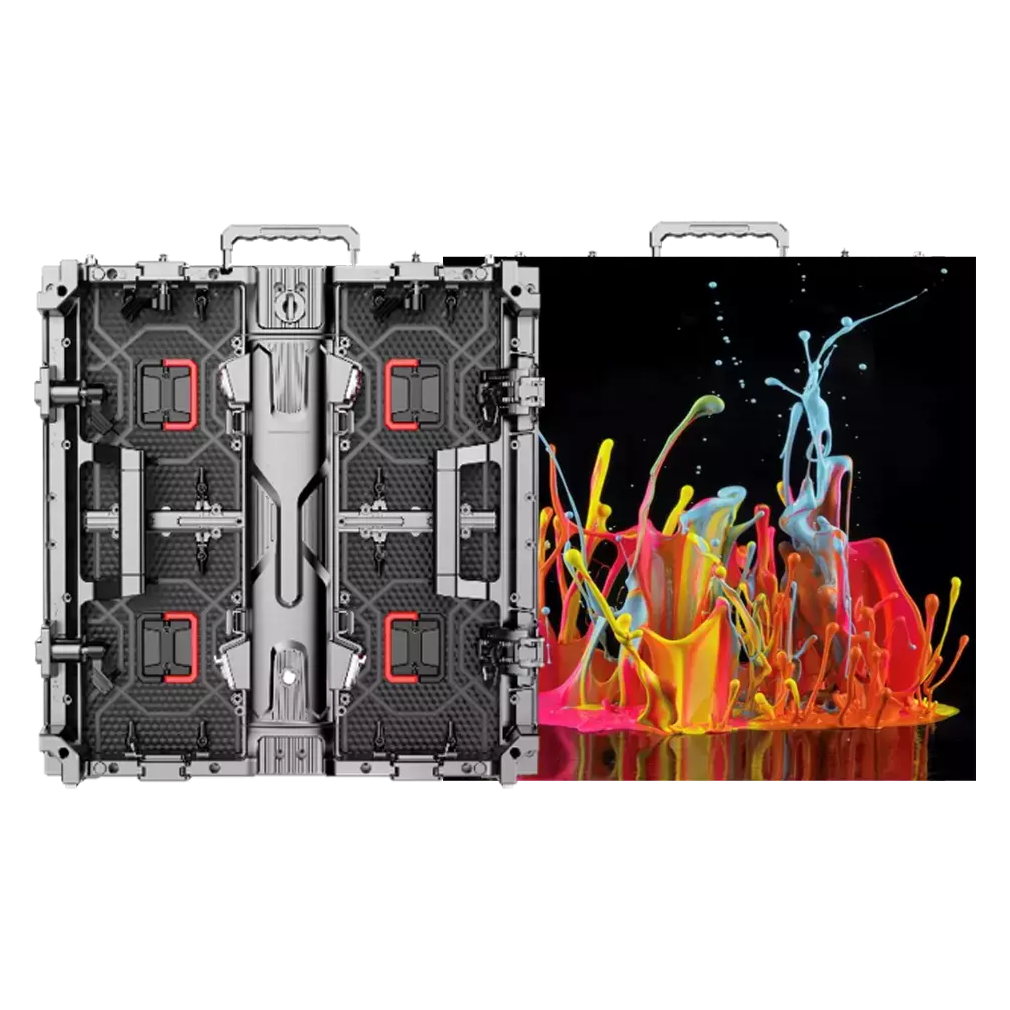
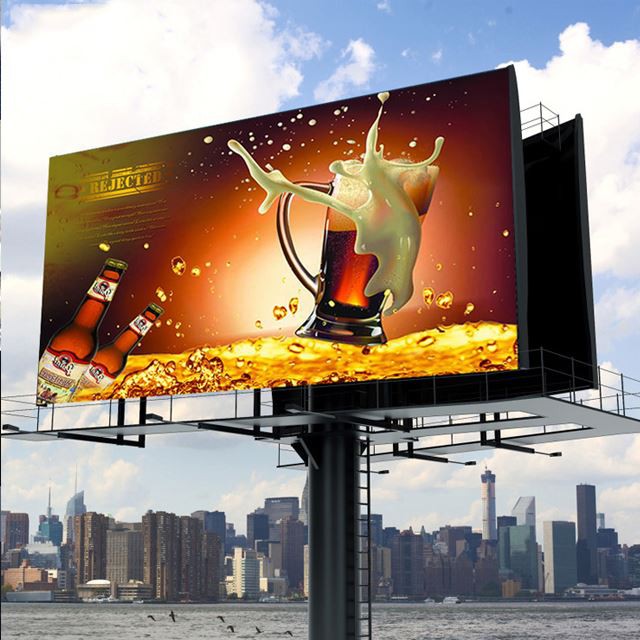
- main traffic intersection : Intersections with traffic density > 5,000 vehicles/hour require IP65 protection level equipment.
- Subway station passage : For transfer passages with a floor height of more than 4 meters, P2.5-P4 spacing displays are recommended
-
Scene experience area
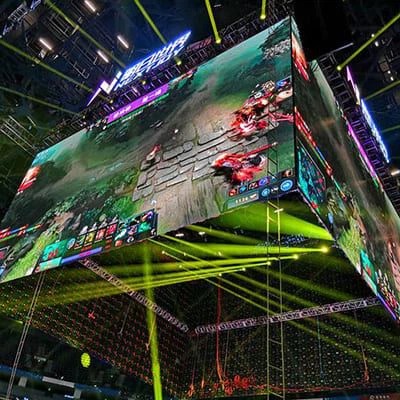
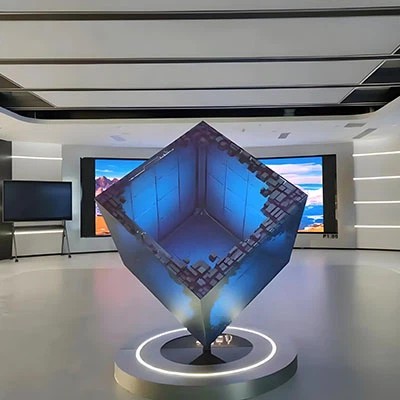
- Shopping center atrium: Curvature radius of curved screen <2.5 meters can increase stop rate by 32%
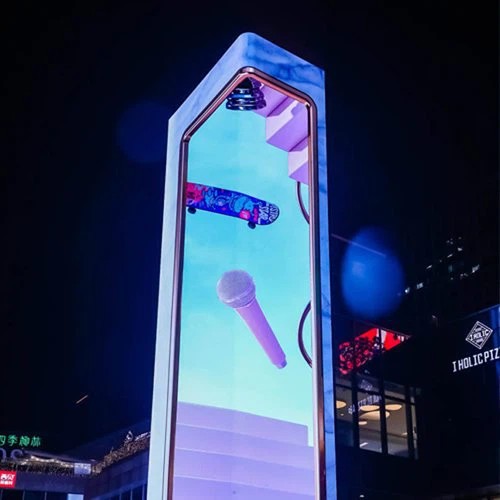
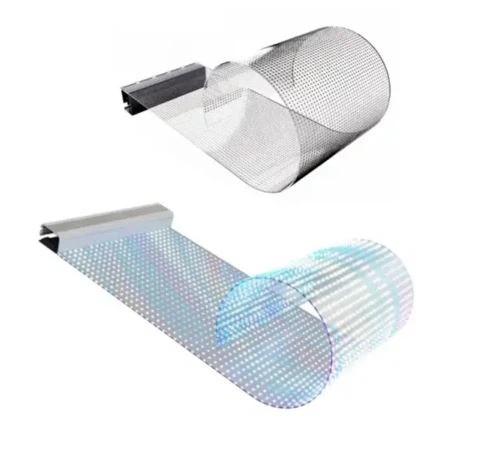
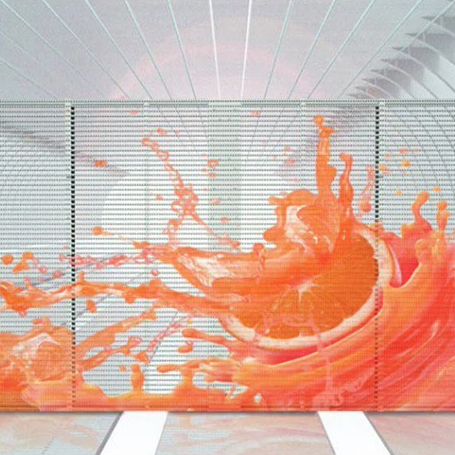
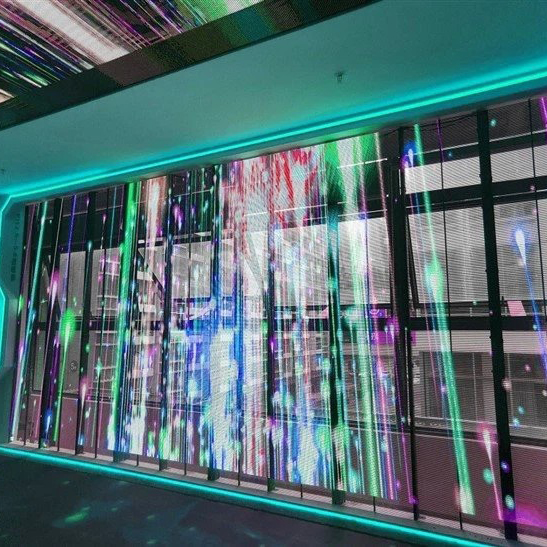
- Entrance to cultural and tourism scenic spots: a creative screen with a light transmittance of 86% increases tourists’ photo sharing rate by 45%
-
Brand display tape
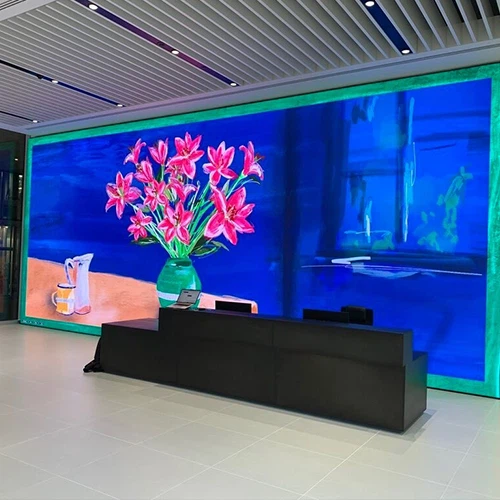
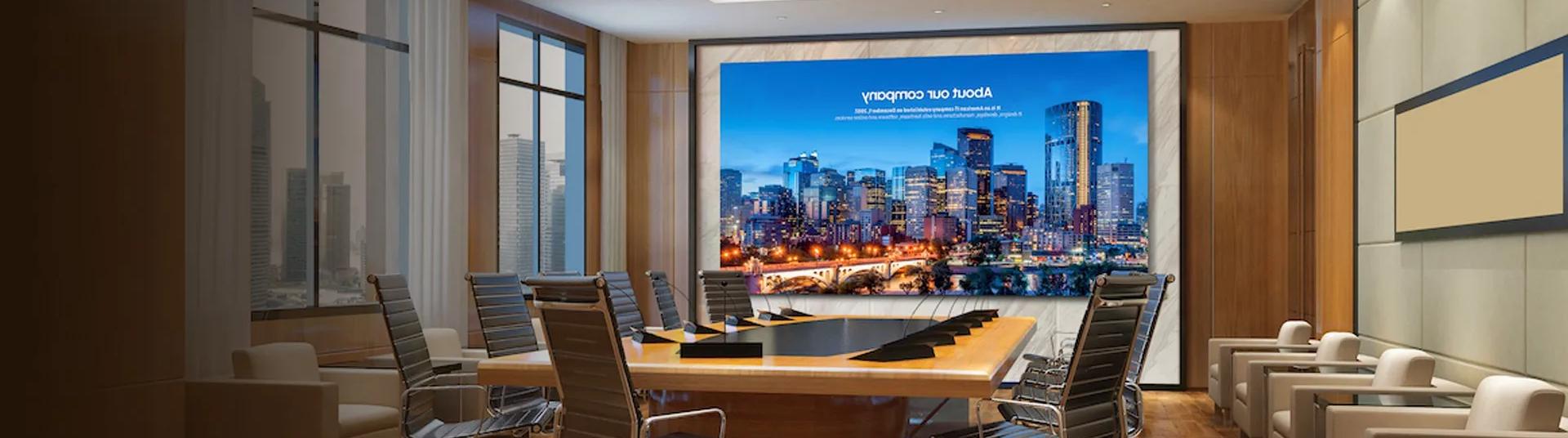
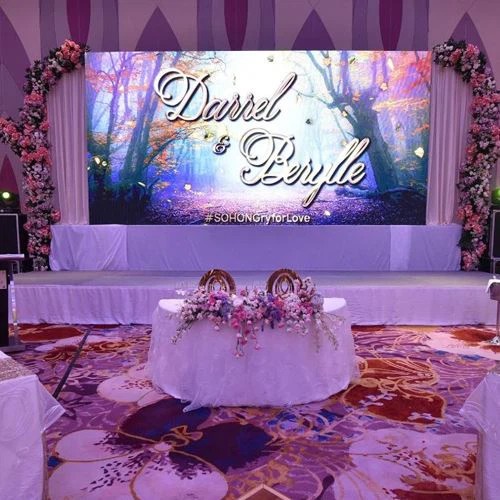
- High-end office building lobby: intelligent dimming system achieves 800-1200cd/m² adaptive brightness
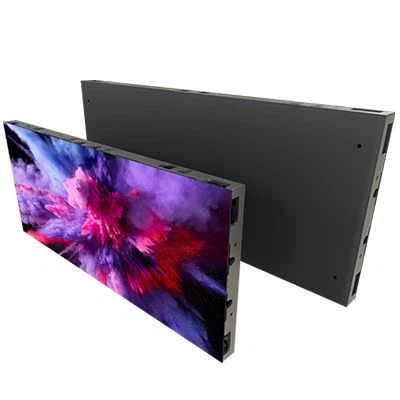
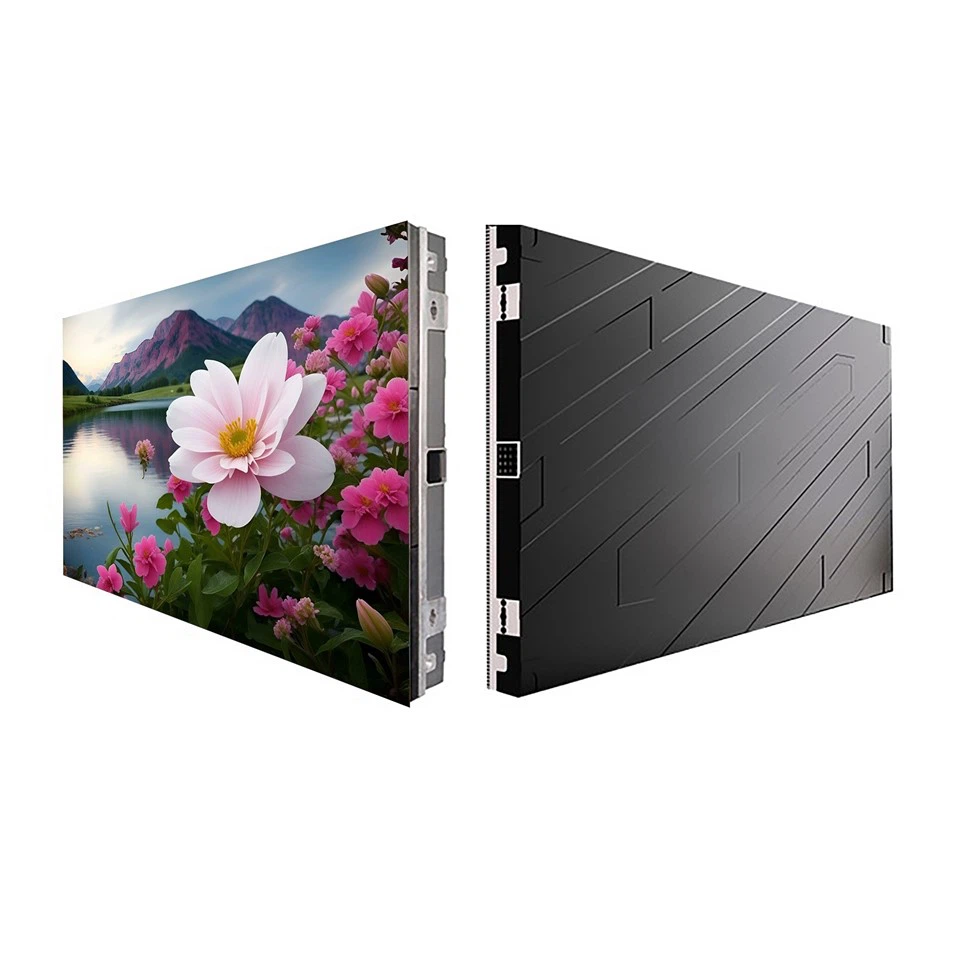
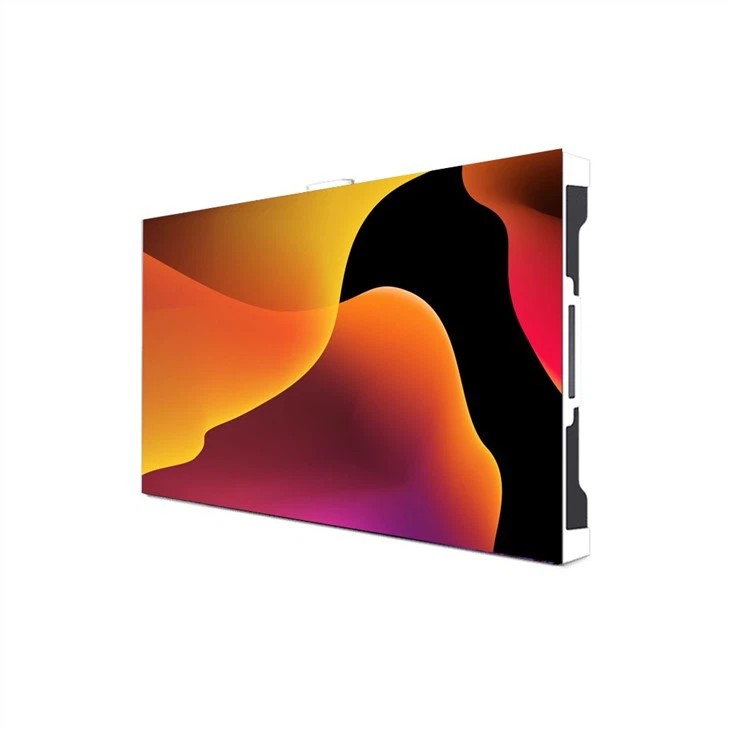
- Flagship store window: ultra-thin box (thickness <90mm) ensures store space utilization
2. The technical game behind site selection
Q: Why are the display effects of the same point so different?
By comparing three types of typical error cases, we can see the criticality of technical parameters:
| Failure case | Technical shortcomings | solution | cost saving space |
|---|
| Outdoor screen failure in rainy season | Waterproof grade<IP54 | Upgraded IP65 protective box | Annual maintenance costs reduced by 58% |
| Shopping mall screen screen smear | Refresh rate<1920Hz | Configure ≥3840Hz driver IC | Customer complaints reduced by 72% |
| The window screen does not transmit enough light | Permeability<80% | Using COB package transparent screen | Shop rental premium 15% |
Core parameter breakthrough point:
- Intelligent temperature control module : Stable operation in -30℃ to 60℃ environment, equipment life extended by 3.2 times
- Quick disassembly and assembly structure : The construction time of a 10㎡ rental screen is reduced to 15 minutes, and the event preparation period is shortened by 3 days.
- Low brightness and high gray technology : Maintain 16bit grayscale at 800cd/m² brightness, and save 30% power in nighttime energy-saving mode
3. Guide to avoid pitfalls in the whole process
Q: What hidden costs should I be aware of during initial installation?
-
Approval process
- Municipal Planning Permit: Allow 15-30 working days for approval cycle
- Power expansion cost: 100㎡ screen needs to reserve 50kW power supply capacity
-
Content operation and maintenance
- Dynamic advertising production: 4K material loading speed needs <0.3 seconds
- Remote control system: Choose a broadcast control platform that supports 5G transmission
-
unexpected risks
- Natural disaster insurance: Equipment in typhoon areas needs to be insured against wind pressure insurance
- Electromagnetic compatibility certification: avoid interference with surrounding electronic equipment
4. New thinking on future layout
The industry is currently undergoing three major changes:
-
From static display to scene interaction
- Gesture recognition system increases user engagement by 37%
- The environment awareness module automatically matches weather/time period content
-
From single-screen combat to matrix linkage
- City-level LED network increases advertising reach rate by 3 times
- Cross-scenario content distribution system saves 45% of operation and maintenance manpower
-
From hardware sales to digital services
- The monthly update volume of the cloud content library exceeds 100,000 items
- The user behavior analysis system has an accuracy of 92%
Data shows that by 2025, the average annual energy saving benefit of LED screens using intelligent dimming systems can reach 18% of the equipment cost. When technical parameters are deeply coupled with scene requirements, advertising LED displays are reconstructing the evaluation system of urban commercial value - no longer a simple display window, but a digital asset with a visualized conversion rate.