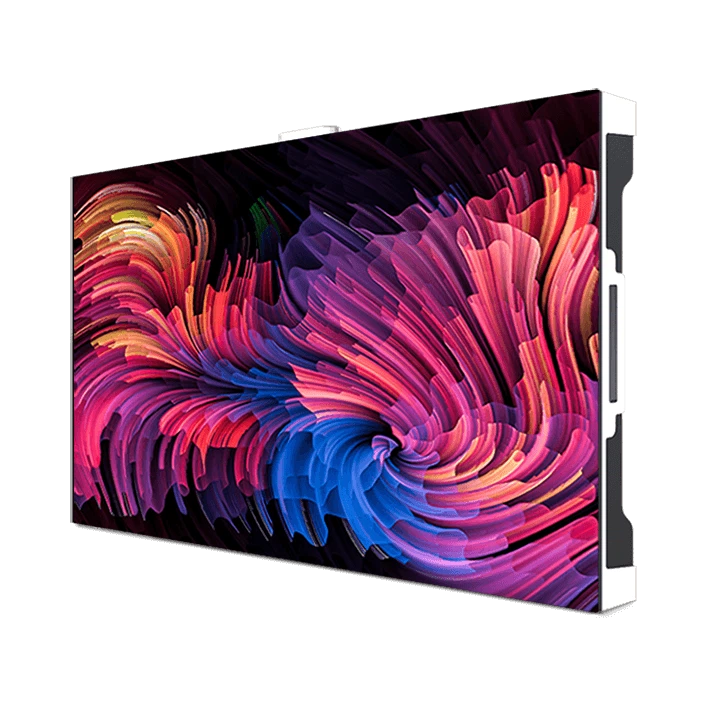
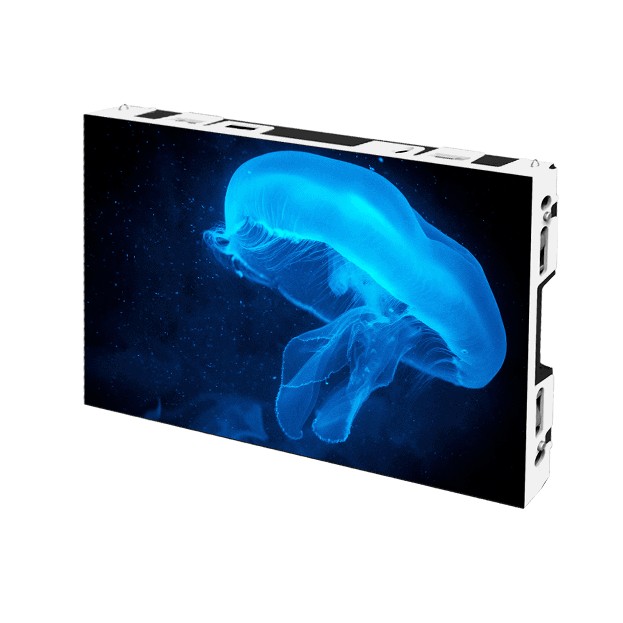
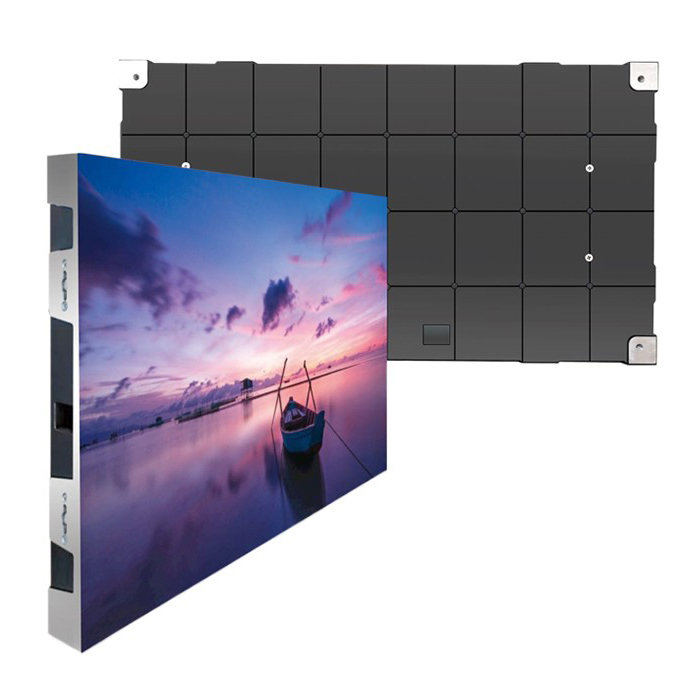
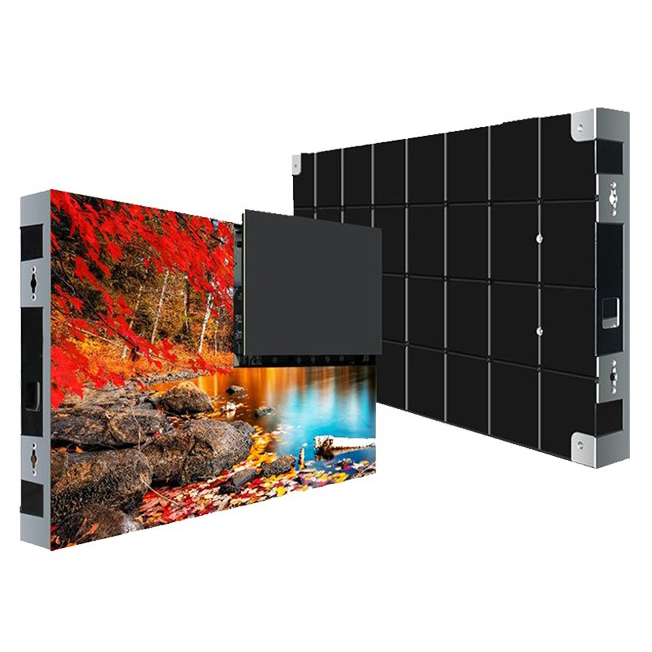
Ouch! Have you ever encountered such a situation: standing in front of a brand new large LED screen, looking for a long time but unable to find the switch? This is a common thing to say. My cousin just finished renovating his store last week and spent half an hour scratching his head at the newly installed display screen. Today I will take you through this "switch disappearing technique". I guarantee that you will become a technical expert in your circle of friends after reading it!
1. Regular location search
**Remember this sentence first: the display screen is not a lone hero, there is a whole system behind it to support it. Taking the indoor LED screens commonly used in our home decoration as an example, the switches are usually hidden in three places:
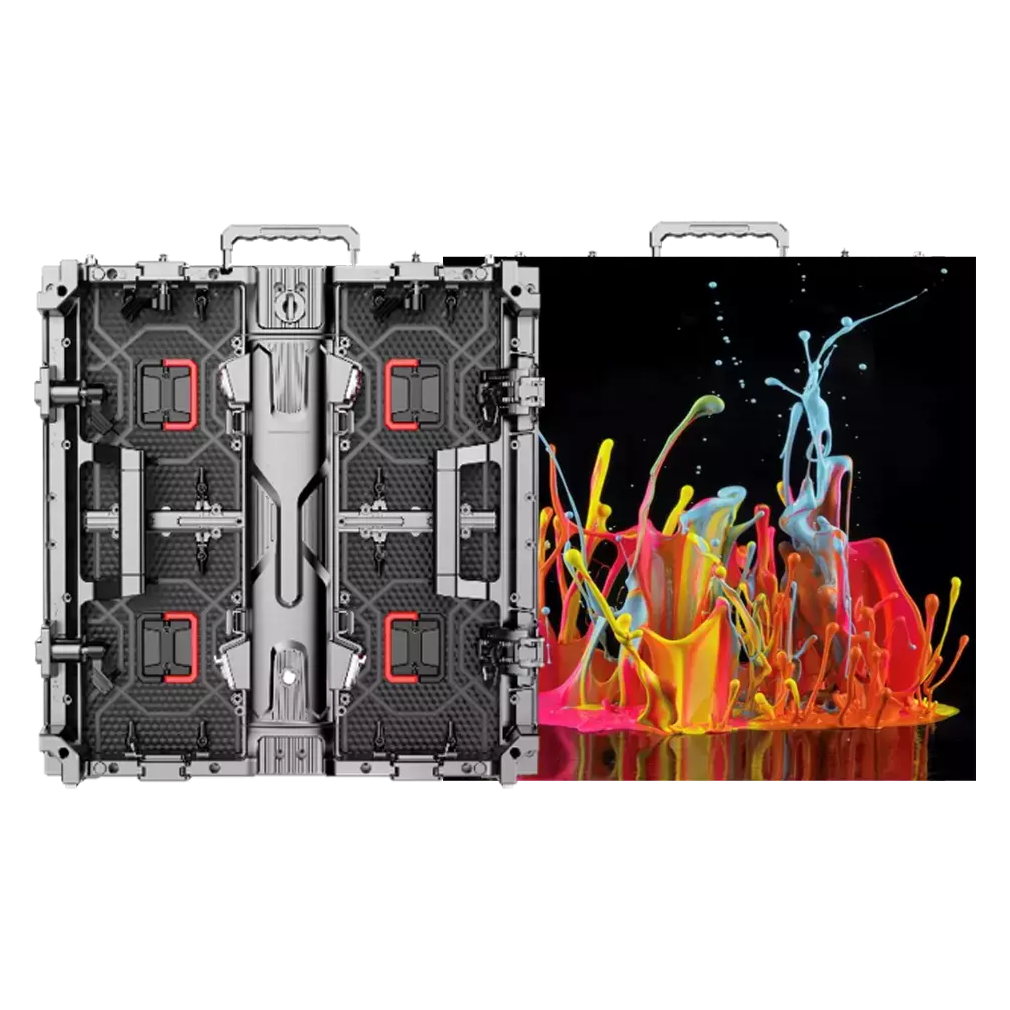
- control box side : This iron box is usually hidden behind or on the side of the screen. There is a red emergency stop button on it. The small black button next to it is the main switch.
- Inside the power distribution cabinet : Large display screens will have their own power distribution unit. Pay attention to the air switch marked "display main power supply"
- center console panel : Advanced systems will integrate switches into the touch panel. Look for virtual buttons with lightning icons.
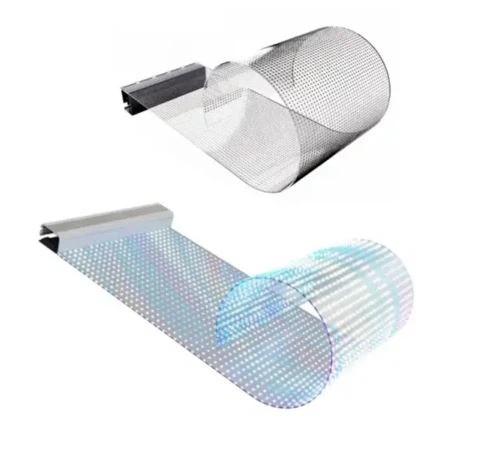
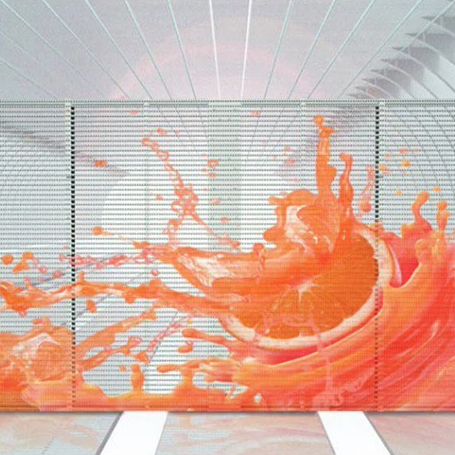
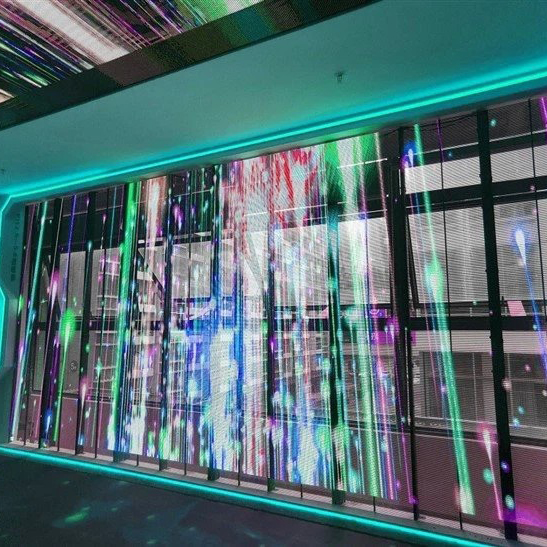
Having said that, the transparent LED window screen I saw in a shopping mall in Shenzhen last year was particularly clever - they made the physical switch into a magnetic hidden design, which is not visible at ordinary times. During maintenance, use a special tool to pop it out with a "click", which is both beautiful and safe.
2. Specially designed doorways
Today's LED screens are paying more and more attention to the overall appearance, and many new models use "invisibility". The stage floor tile screen I recently helped a friend debug is a typical example:
- Touch sensor switch : Press and hold the lower right corner of the screen with your palm for 5 seconds, and it will automatically start after vibration feedback.
- Mobile APP control : After connecting via Bluetooth/WiFi, you can find the "Power Management" option in the settings
- Light sensor automatic start and stop : Some high-end models will automatically switch on and off based on ambient light. For example, the screen will turn on when the store opens at 8 a.m.
Here I want to boast about the current technological innovations. For example, many of our common indoor advertising screens have achieved standby power consumption of ≤5W. A friend who works in a convenience store told me that since he switched to a new model of LED menu screen, he has directly saved one-third of his monthly electricity bill. Is this a real effect?
3. Unable to find an emergency plan for Beijing Times
**Here comes the point! If you really can’t find the switch, remember these three life-saving tips:
1. Check the power indicator light (usually a green dot)
2. Follow the power cord to the nearest connector
3. Use a multimeter to measure whether the voltage is normal (220V±10%)
There was an interesting case last month: the LED signage at the front desk of a gym suddenly went black. It turned out that the cleaning lady had loosened the plug while cleaning the table. So, 80% of "switch failures" are actually caused by poor contact.!
4. Golden Rules for Daily Use
**Let me give you some key points:
- The interval between power on and off must be maintained for at least 30 seconds to allow the power module to fully discharge.
- When the humidity exceeds 80% in the rainy season, it is recommended to keep it open to prevent moisture.
- In the event of a thunderstorm, remember to turn off the display first and then unplug the main plug.
There is data that may subvert our understanding: professional tests show that if the power is switched on and off more than three times a day, the life of the power module will be shortened by 20%! So all-weather advertising screens in shopping malls are usually on standby 24 hours a day.
personal opinion time
After working in the display industry for so many years, I discovered an interesting phenomenon: the more high-end the product, the more hidden the switch design. This actually reflects the development trend of the industry-devices are shifting from "function first" to "experience first". Take our common indoor LED walls as an example. Nowadays, mainstream designs have integrated control modules into the cloud, which can be managed remotely through mobile phones.
But having said that, as a user you still need to master the basic operations. It is recommended that when you install it for the first time, you must let the technician demonstrate the switch position in person. It is best to put a fluorescent label on the control box. After all, no matter how good the technology is, people have to find ways to do it, right? Next time you encounter a switch hide-and-seek situation, don’t press it randomly again while sweating profusely!