Hi~welcome to shenzhen xinmu display technology co., ltd.!

News Center

hotline:

13632760729

LED display standard size analysis, how to select according to the scene

2026-03-05 102

​The size of a single LED display module is not a fixed value​ ​, its specifications depend on three core elements: pixel pitch, installation environment and functional requirements. As a professional display solution provider, we analyze the underlying logic of size selection for you through actual cases.


1. Core parameters determine basic size

​Pixel pitch (P value) is the key to determining screen fineness​ ​, there are 28 standard specifications from P0.9 to P40. Take the commonly used models in the field of commercial advertising as an example:

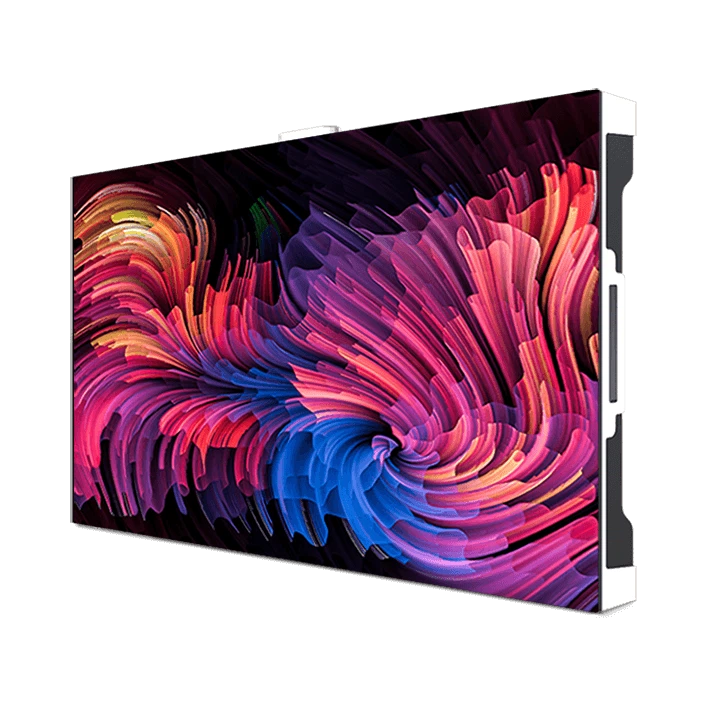
LED display standard size analysis, how to select according to the scene
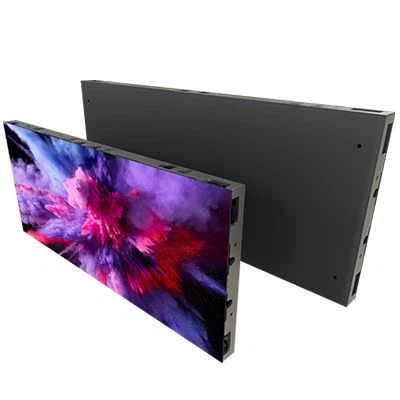
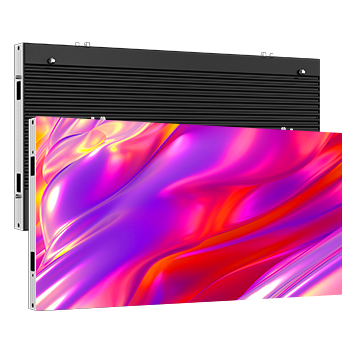
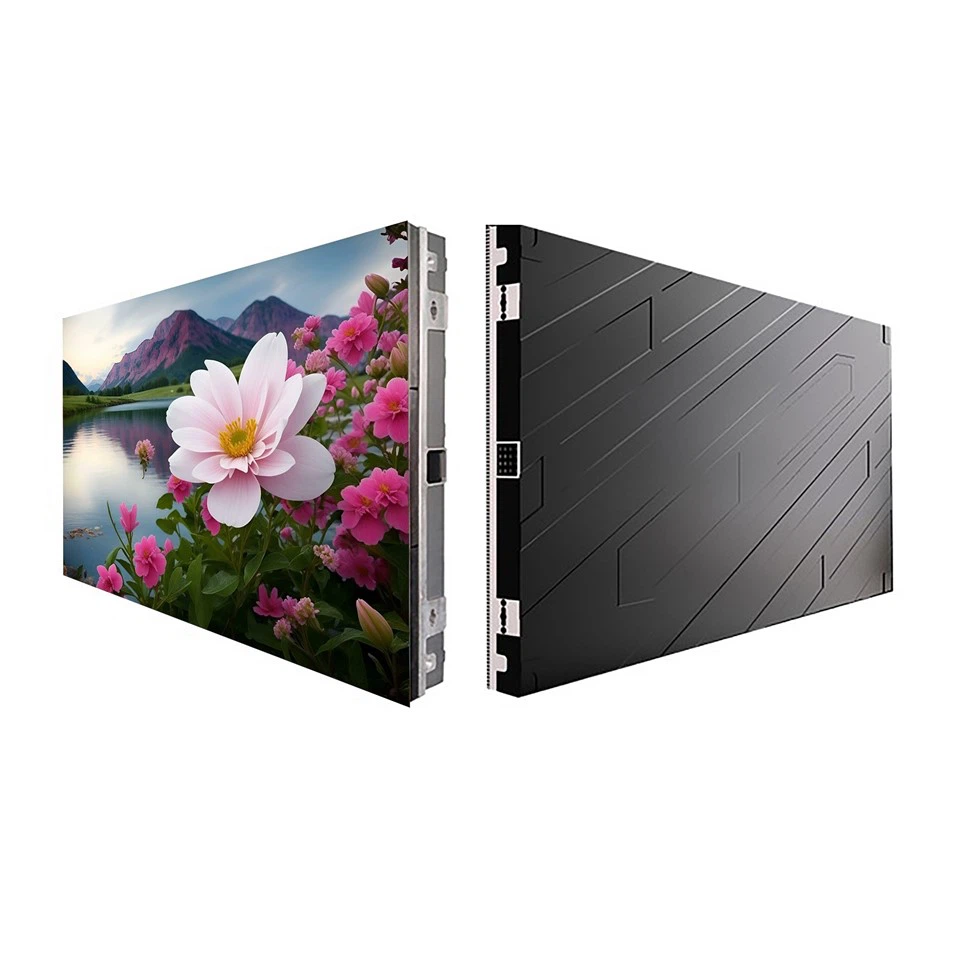
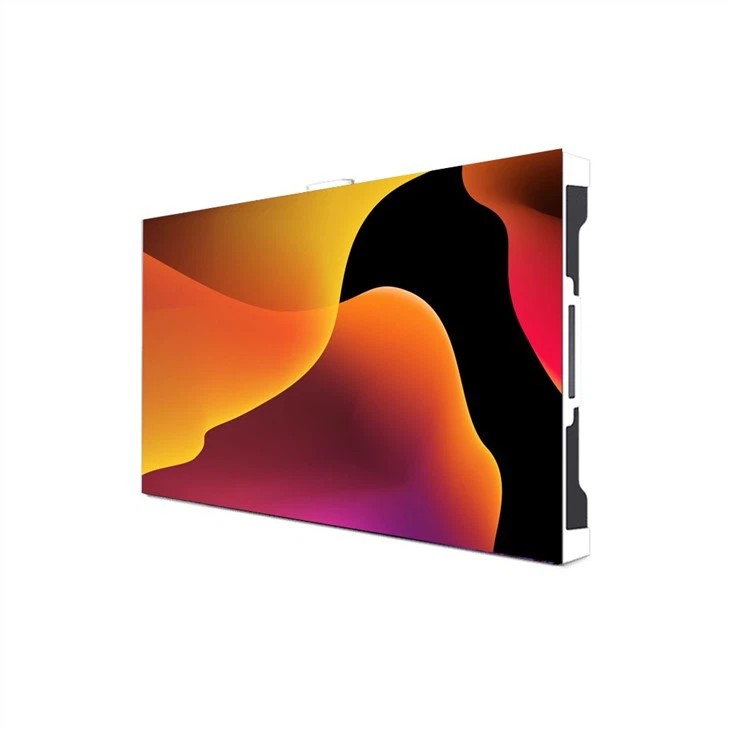
  • ​P2.5 indoor screen​ ​: A single module is 320×160mm and contains 160,000 pixels per square meter after splicing.
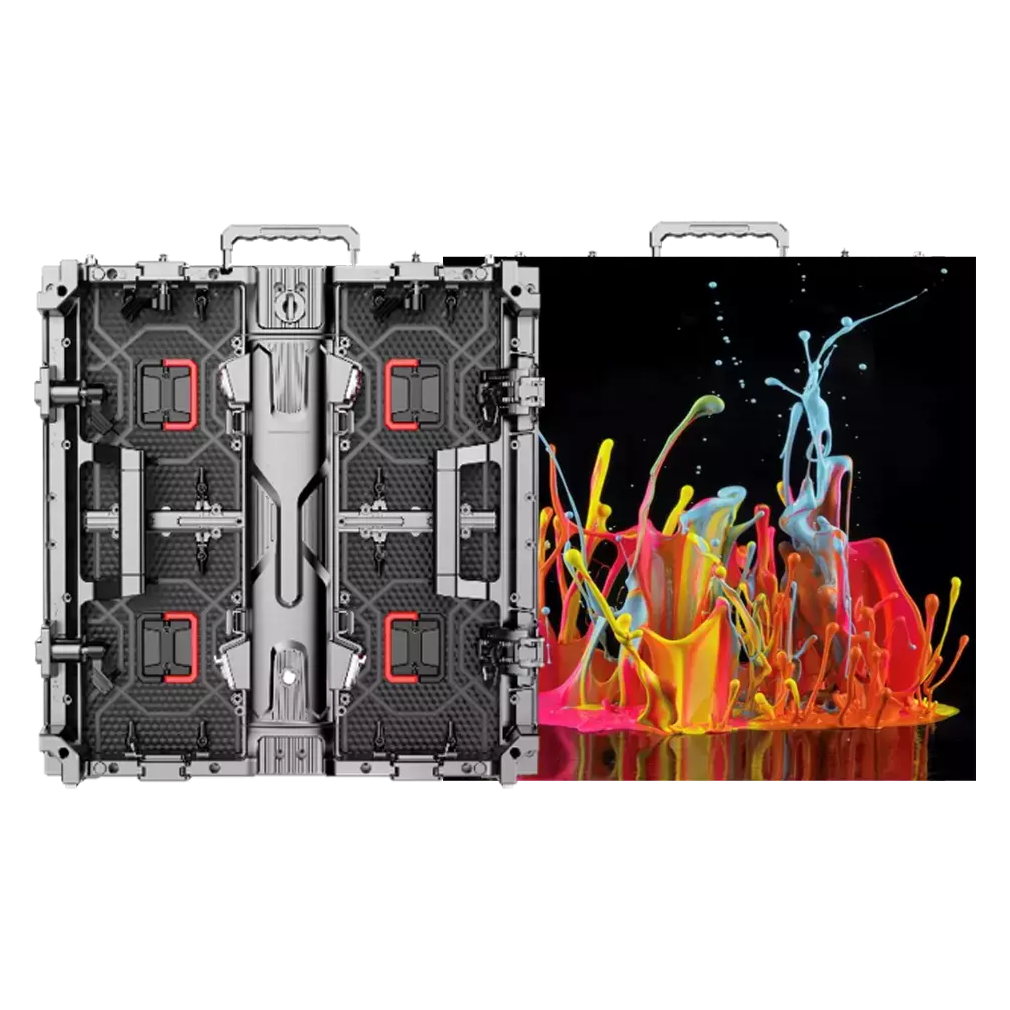
  • ​P6 outdoor screen​ ​: Module size 576×576mm, pixel density per square meter 27,778 dots
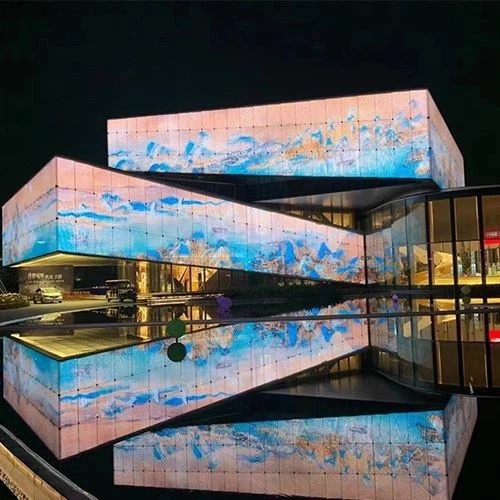
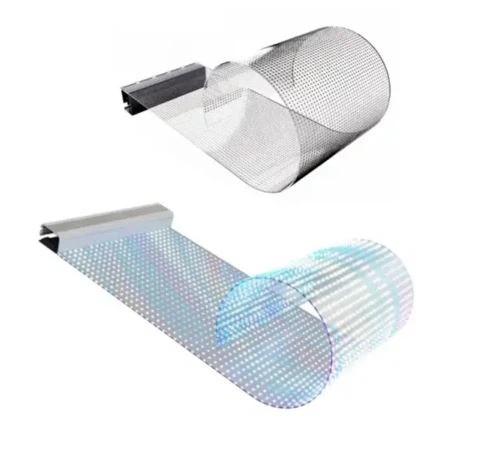
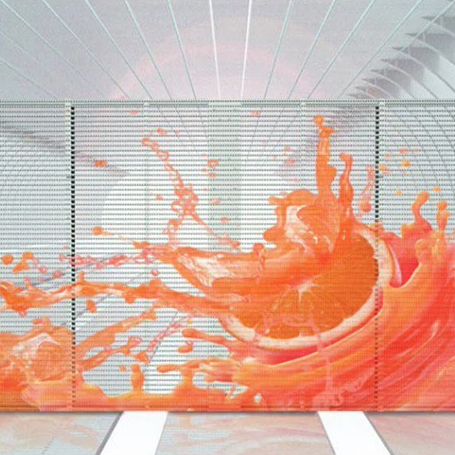
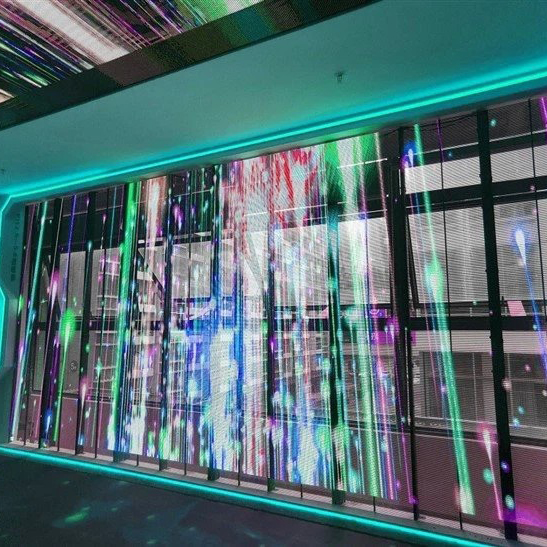
  • ​Transparent creative screen​ ​: Specially designed 1.9×3.9mm micro module, supporting special-shaped splicing with 86% light transmittance

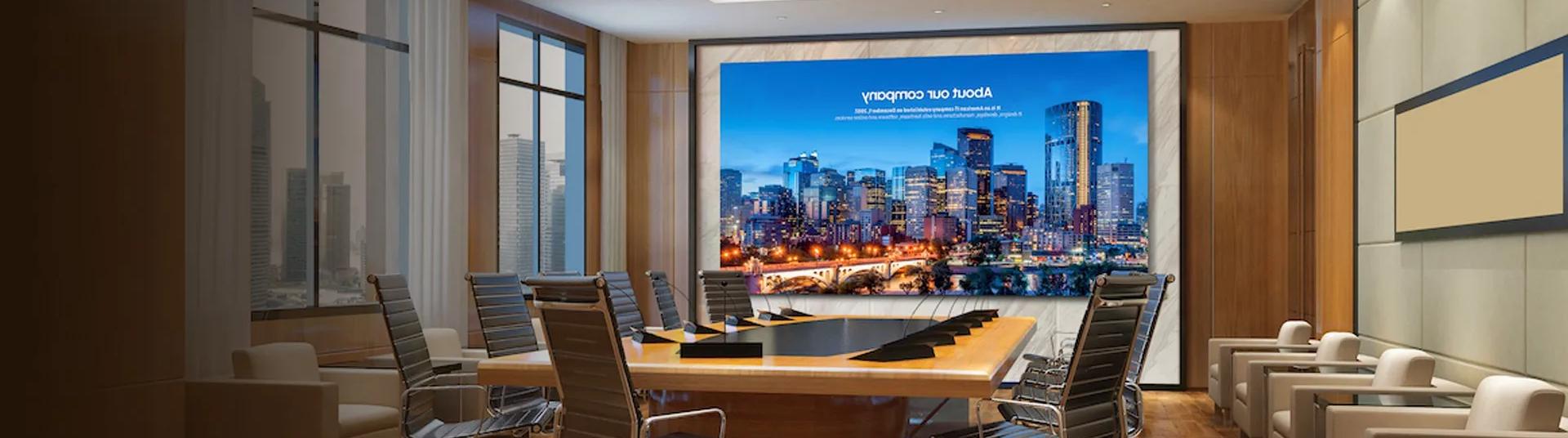
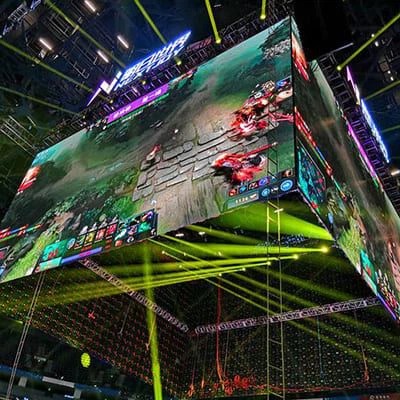
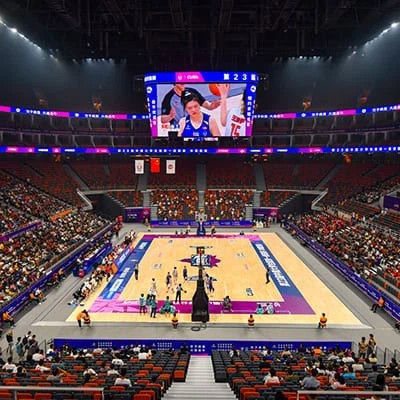
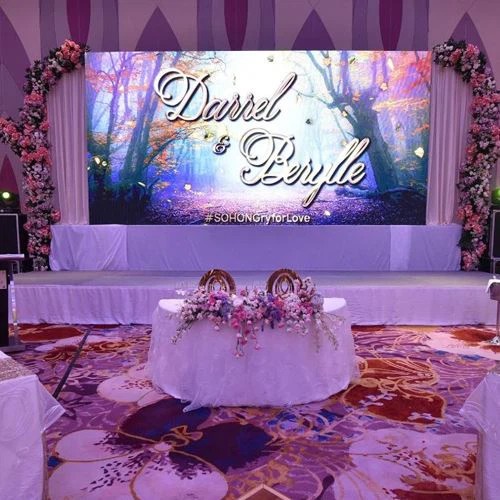
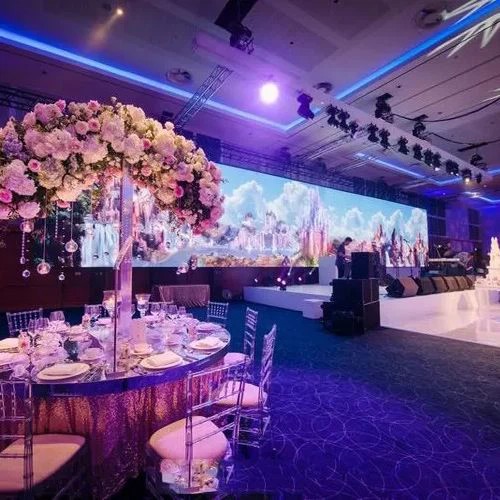
​The installation environment directly affects the size design​ ​: Conference rooms often use P1.8-P2.5 modules of ≤4㎡, while sports venues need to splice P6-P10 box systems of 200-500㎡. The weight of a single box is controlled at 29±2kg to facilitate high-altitude operations.


2. Scenario size configuration plan

​commercial advertising field​ ​Need to balance visual distance and information carrying capacity:

  • Pedestrian street display window: 4-8㎡ P4 transparent screen, 100% text recognition rate under 3-meter viewing distance
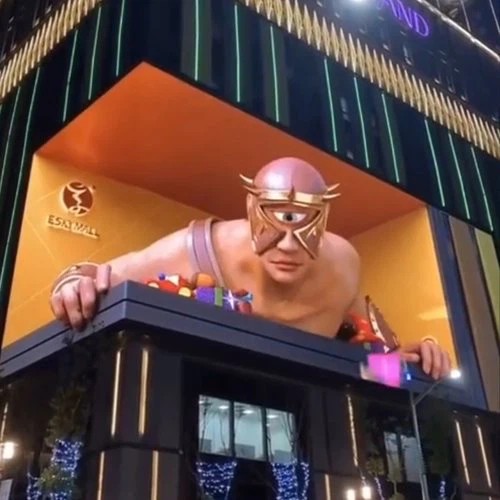
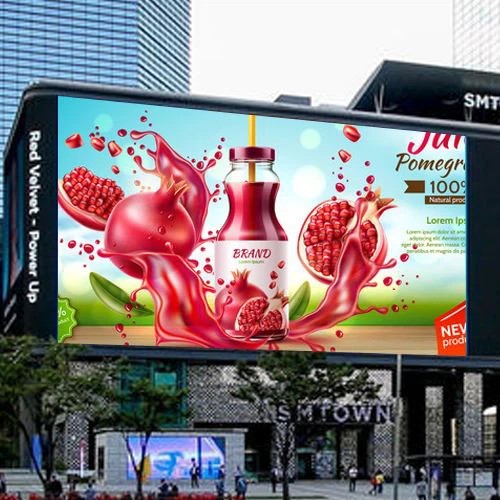
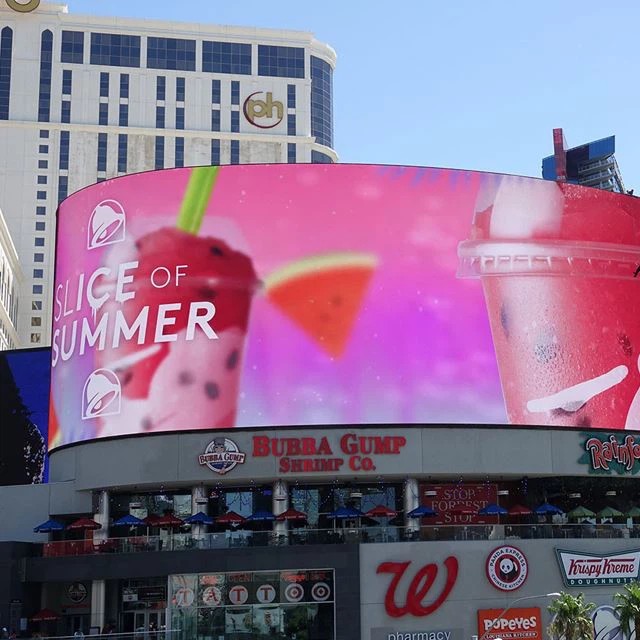
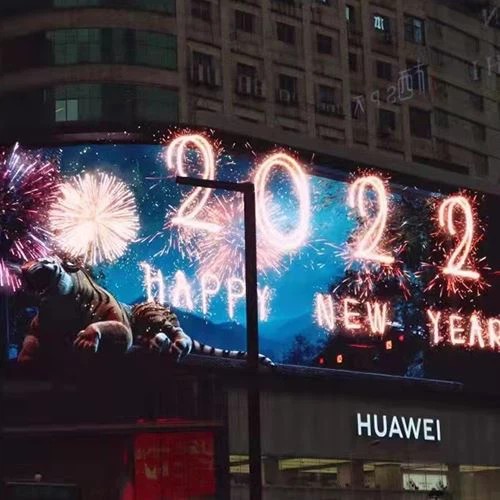
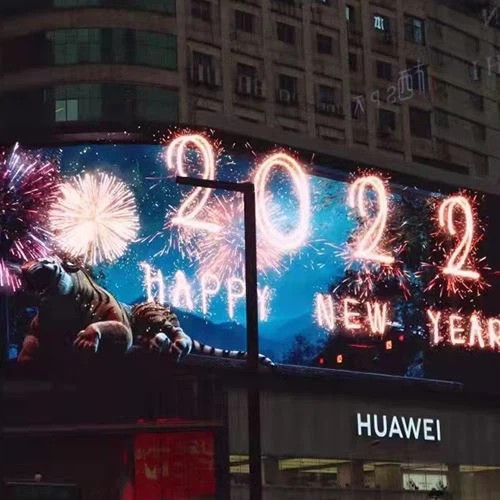
  • Building exterior wall: 80-150㎡ P8-P10 screen, still maintaining clear images 500 meters away

​Professional engineering scene​ ​Pay more attention to structural adaptability:

  • Stage floor tile screen: 500×500mm standardized module, load-bearing ≥800kg/m² and supports 12° tilted installation
  • Stadium fence screen: customized 1.2×2.4m box, built-in intelligent temperature control system to adapt to -30℃ to 55℃ environment

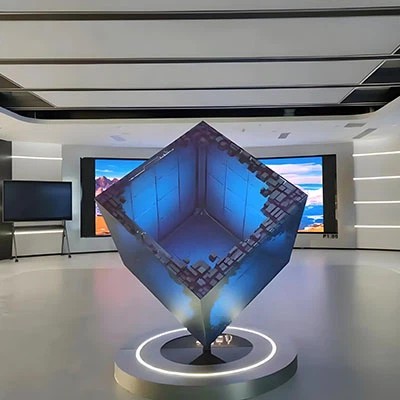
​Creative interactive device​ ​Break through traditional size limitations:

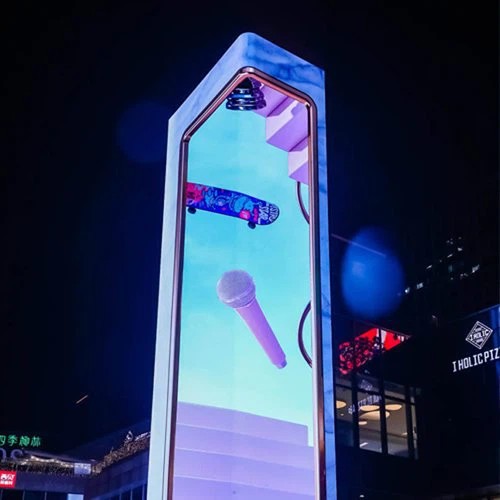
  • 270° annular curtain wall: spliced ​​by trapezoidal modules, with a single block angle of 15° to achieve seamless bending
  • Service navigation screen: 400×600mm ultra-thin design, thickness ≤8cm to save space

3. Selection decision tree: five steps to lock in the best size

  1. ​sight distance measurement​ ​: Nearest viewing distance = point spacing (mm) × 1000, for example, P4 screen needs to be ≥ 4 meters
  2. ​fixed resolution​ ​: Display content pixel requirement ÷ number of module pixels = basic splicing unit
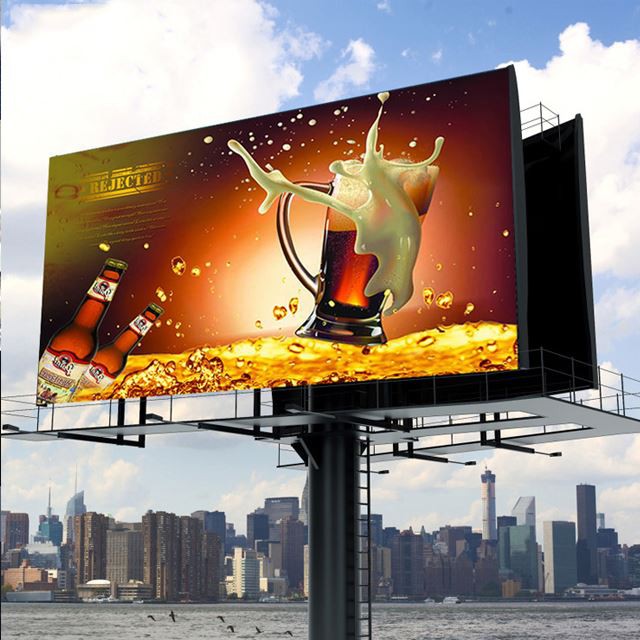
  3. ​test environment​ ​: For every 10 square meters of outdoor screen, the structural strength needs to be increased by 20% to withstand strong winds.
  4. ​Calculate power consumption​ ​: When the P2.5 screen is fully bright, the power consumption per square meter is ≈650W.
  5. ​Maintenance​ ​: It is recommended to reserve 600mm inspection channel for every 10㎡

When a smart exhibition hall project required 8K image quality, P1.53 modules (256×256mm) were selected for 16×9 splicing, resulting in a 6.5×3.7m display wall that perfectly displayed hair-level details at a 5-meter viewing distance.


From modules to entire screens, size selection is essentially a matter of precise matching of optical parameters, mechanical structure and scene requirements. By mastering the three principles of "pixel density determines clarity, environmental adaptability determines stability, and interactive needs determine form", you can find the optimal solution between commercial value and user experience. The industry is currently moving towards a two-way breakthrough of "large-size seamless splicing and miniaturized module design", which provides the possibility for more innovative applications.

for more product information and pricing, please contact us .

Shenzhen New Screen Display Technology Co.Ltd