Hi~welcome to shenzhen xinmu display technology co., ltd.!

News Center

hotline:

13632760729

Where is the LED display power supply hidden? Common mistakes made by experienced electricians

2026-02-23 199

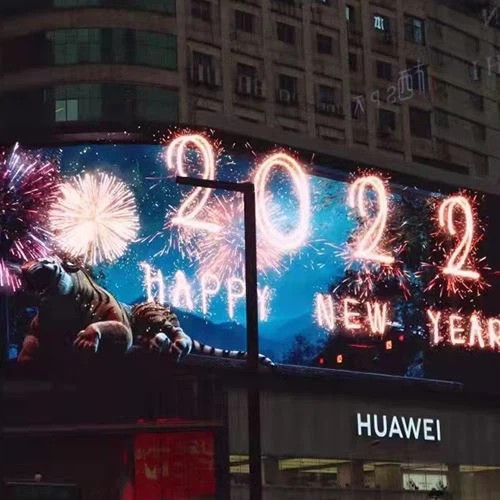
Hey, do you think this is strange? Last month, I helped a friend look at the large LED screen on the exterior wall of a shopping mall. The picture was obviously normal, but I always felt static electricity when I touched the screen. And guess what? After searching for three hours, I found the power box hidden behind the advertisement! Today, I’m going to give you all the newbies some tips on how to power LED screens. I’m sure you’ll know more about it than an installer who’s been working for three years.


​Look for these five hiding spots​
When I first entered the industry, I also wondered why the power supply had to be hidden? Later, the master said that this was a "fig leaf" for the facade project. I will give you a list of common locations:

Where is the LED display power supply hidden? Common mistakes made by experienced electricians
Installation scenarioTypical power supply locationsNaked eye recognition skills
Shopping mall exterior wallAdvertising lettering back/steel structure mezzanineFollow the cable and look for a black wire as thick as your thumb
Stage floor tile screenUnder the stage lift/side access hatchListen to the fan sound + feel the floor temperature
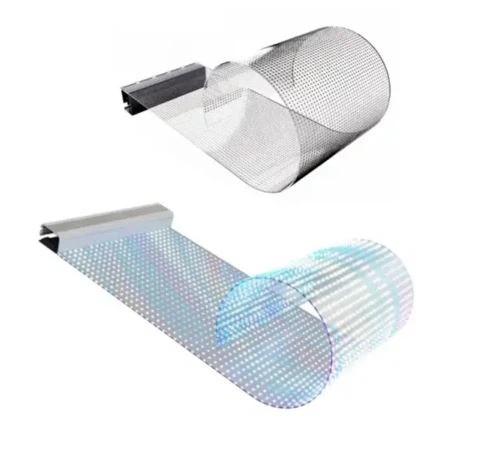
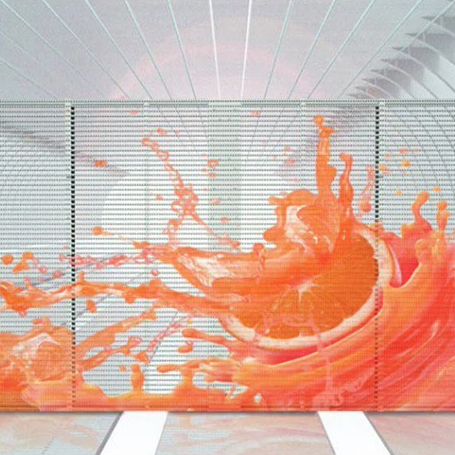
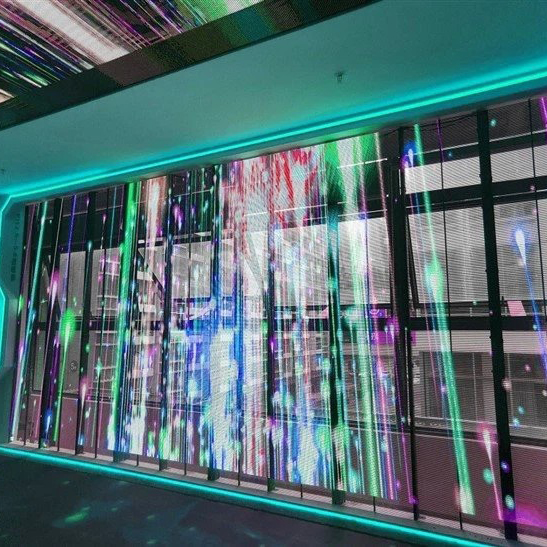
Transparent window screenTop beam/columns on both sidesObserve the changes in the arrangement density of LED lamp beads
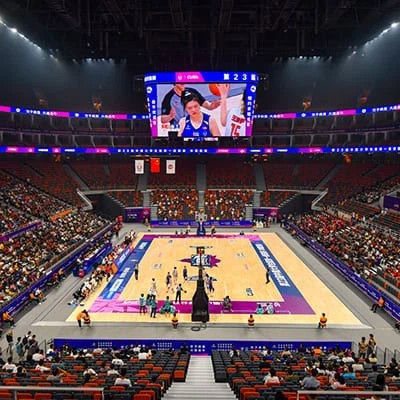
stadium fence screenSupport column inner cavity/behind anti-collision guardrailView sheet metal screw closures
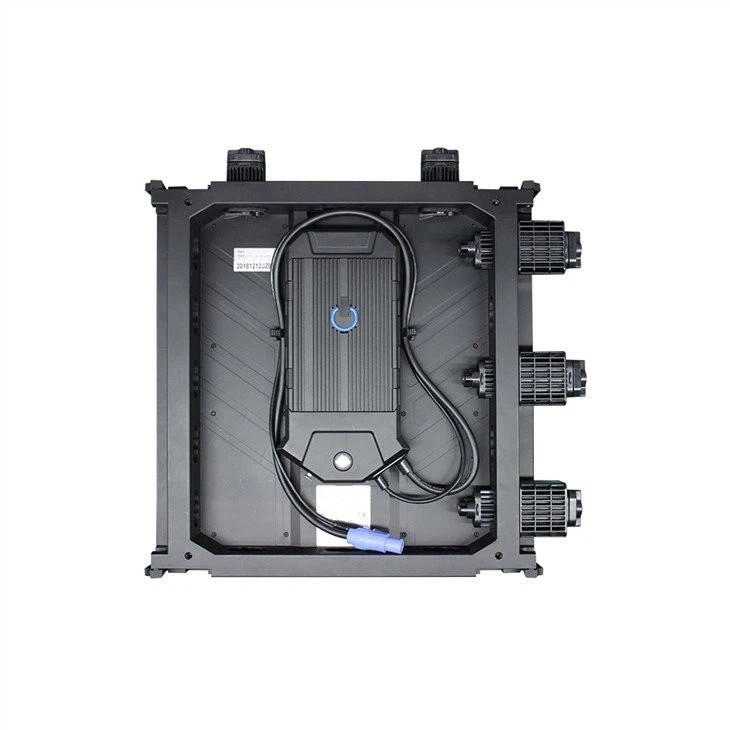
Temporary rental screenBox side slot/stacking gapLook for a metal box with cooling holes

An embarrassing incident occurred at a music festival last year - the electrician inserted the power box into the lighting rack, but the sound engineer mistakenly closed the switch, and the entire stage went dark for three minutes. So,​ ​Location history is more important than location finding​ ​, it is recommended to take photos and archive them.


​Understand the power parameters and avoid pitfalls​
What novices fear most is the parameter table, which is like reading a bible. In fact, just grasp three key numbers:

  1. ​Voltage fluctuation range​ ​(For example, AC110-240V): The larger the number, the more unstable the voltage will be.
  2. ​Protection level​ ​(IP65 is better than IP54 in preventing water spray)
  3. ​Intelligent load distribution​ ​(Power supplies with this function can automatically balance the power consumption of each module)

Here’s a little trivia: The power life of outdoor screens is 30% shorter than indoors, mainly because the temperature difference between day and night causes component aging. Therefore, when choosing an outdoor power supply, it depends on the operating temperature range. -20°C to 50°C is considered a passing standard.


​Three common mistakes in wiring​
The most outrageous connection method I have ever seen is to use ordinary wires wrapped with insulating tape. As a result, the control card burned out in three months. Must remember:

  • ​The wire diameter must meet the standard​ ​: 2.5 square meters within 10 meters, 4 square meters for more than 20 meters
  • ​Connectors should be tinned​ ​: Prevent oxidation causing poor contact
  • ​Grounding must be measured​ ​: Don't believe in "natural grounding". Use a multimeter to measure the resistance to less than 4Ω.

Last month I helped repair a stadium screen, but the ground wire was disconnected and caused the screen to flicker. Later, a simple solution was used: pour two buckets of salt water around the grounding pile, and the problem was solved immediately.


​Hidden tips for maintenance​
Here are the master’s secrets:

  1. Apply waterproof glue to the gaps in the power box before the rainy season (don’t use glass glue! Use modified silicone glue)
  2. Use a blower to clean dust every quarter, focusing on blowing the gaps between the heat sinks
  3. Prepare an infrared thermometer. If the temperature difference exceeds 15°C, repair it immediately.

Let’s talk about a real case: A shopping mall’s Spring Festival decorative screen suddenly lost power. After a long search, it turned out that cockroaches had built a nest in the power box. Now they stuff camphor wood blocks into the corners of the box every month, and there have been no more insect problems.


Recent industry data says,​ ​Power failure accounts for 41% of total LED screen failures​ ​, but 90% of problems can actually be prevented in advance. Don’t panic next time you encounter a black screen. Check it in this order: touch the power supply temperature → look at the color of the indicator light → measure the output voltage. Remember, a good power source is like the human heart—invisible but the most vital. If you are really unsure, find a technician with a thermal imaging camera to pinpoint the source of the problem in minutes.

for more product information and pricing, please contact us .

Shenzhen New Screen Display Technology Co.Ltd