Hi~welcome to shenzhen xinmu display technology co., ltd.!
2025-12-12 199
Have you ever encountered snowflakes suddenly appearing on the big screen in a shopping mall? Or the LED wall at the event suddenly became stuck in PPT? Even the advertising screen in your own store flashes black for no reason? The culprit of these troubles is probably a problem with the "heart" of the display - the graphics card. Today we are going to talk about this problem that drives newbies crazy. Just like novices will encounter bottlenecks in how to quickly increase their fans, LED display lags also have their core problems.
Don't rush to blame the screen itself. According to industry statistics, 80% of display abnormalities are related to these three "invisible killers":
Signal transmission causes trouble
Just like drinking pearl milk tea through a straw will be blocked by pearls, if the wrong version of the HDMI cable is used (for example, using a 2.0 cable to transmit 4K signals), or the transmission distance exceeds 50 meters without a repeater, the screen will immediately perform "mosaic art" for you. What's even more frustrating is that some inferior distributors can cut the refresh rate from 60Hz to 30Hz, causing smear and stuttering visible to the naked eye.
Power supply is fishing
For example, the peak power consumption of a 10 square meter P3 pitch LED screen can reach 8000W. If the distribution box cuts corners and uses aluminum core wires, or the air switch is too small, it's like asking a primary school student to carry a 200-pound sack - the screen will flicker on and off, or it will go black. Actual measurement data shows that voltage fluctuations exceeding ±5% will cause screen jitter.
Control system loses temper
This is like playing Honor of Kings on an old machine. Some control cards look beautiful in terms of parameters, but the actual load capacity is false. For example, the nominal load capacity is 256 * 256 pixels, but actually packet loss starts at 200 * 200. Not to mention that equipment with poor heat dissipation design will automatically reduce the frequency when the operating temperature exceeds 60°C. At this time, the screen will be so stuck that even my mother will not recognize it.
Last week, an old man who runs a milk tea shop came to me to complain, saying that their newly installed menu screen kept flickering. Go and have a look, great guy! Category 5 network cables are still used to transmit signals, and the receiving card is tied directly next to the heating power supply. This typical novice pitfall can actually be avoided as long as you remember these three tips:
Tip 1: Signals must be dedicated to dedicated lines
Tip 2: The power supply must have enough margin
Tip 3: The control system must be matched
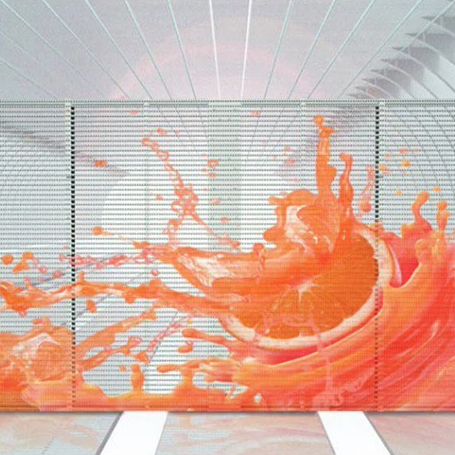
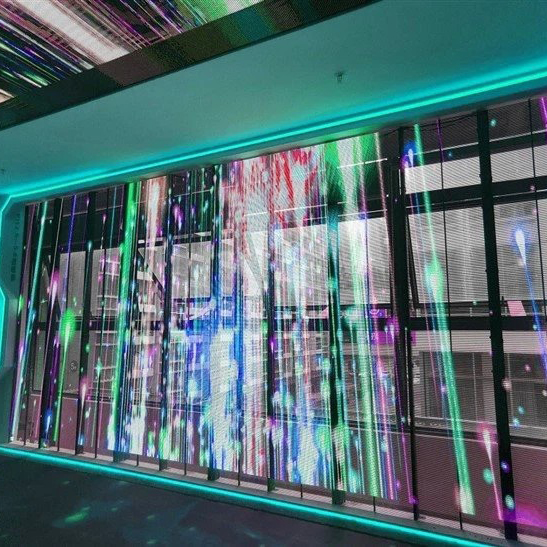
The fence screen project recently completed by a Shenzhen company for the Tokyo Stadium is very interesting. They used a dual-link backup design - the main 4K signal + backup 1080P signal automatically switches, and the power system has triple protection: mains + UPS + diesel generator. Under this design, even if there is an earthquake and power outage, the screen can continue to play the emergency notification.
Speaking of which, I have to mention their "stupid method": every project must undergo a 72-hour aging test. The screen was adjusted to extreme parameters and ran continuously for three days, during which time it deliberately created voltage fluctuations, signal interference and other harsh conditions. Although it is time-consuming and laborious, the three-year failure rate of the delivered screens is less than 0.3%, which is indeed a good figure in the industry.
After understanding the principle of display lag, you will find that it is similar to falling in love - you need to understand the hardware configuration well and have the emotional intelligence to debug the software online. Next time you encounter screen convulsions, don’t rush to slap the machine (some people really do this), first check according to the signal chain: source device → transmission line → receiving card → power supply. Remember, a stable display system is like a reliable companion, requiring regular maintenance (professional inspection once every six months is recommended) and careful management (timely update of driver firmware).
for more product information and pricing, please contact us .