Hi~welcome to shenzhen xinmu display technology co., ltd.!

News Center

hotline:

13632760729

Where is the LED display chip hidden? Analysis of core components that novices must read

2025-11-23 26

Did you know? The giant LED wall that plays 4K advertisements in the mall, and the display screen in the center of the stadium that plays back exciting moments in real time. The secrets to their smooth operation are all contained in chips the size of fingernails. Don’t underestimate these electronic components hidden in the metal casing. Last year, due to an incorrect chip selection, the entire screen of a landmark project was scrapped two years in advance, costing an extra 1.8 million yuan in maintenance costs.

Where is the LED display chip hidden? Analysis of core components that novices must read

The secret of the chip location

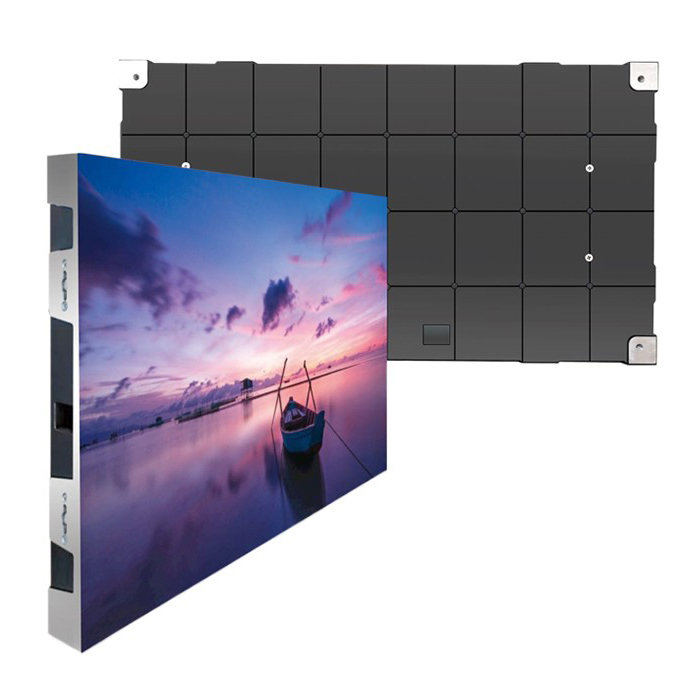
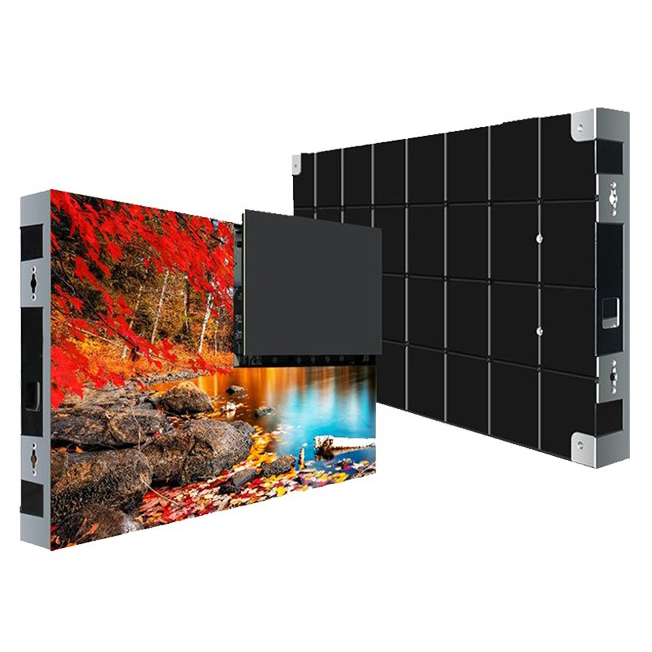
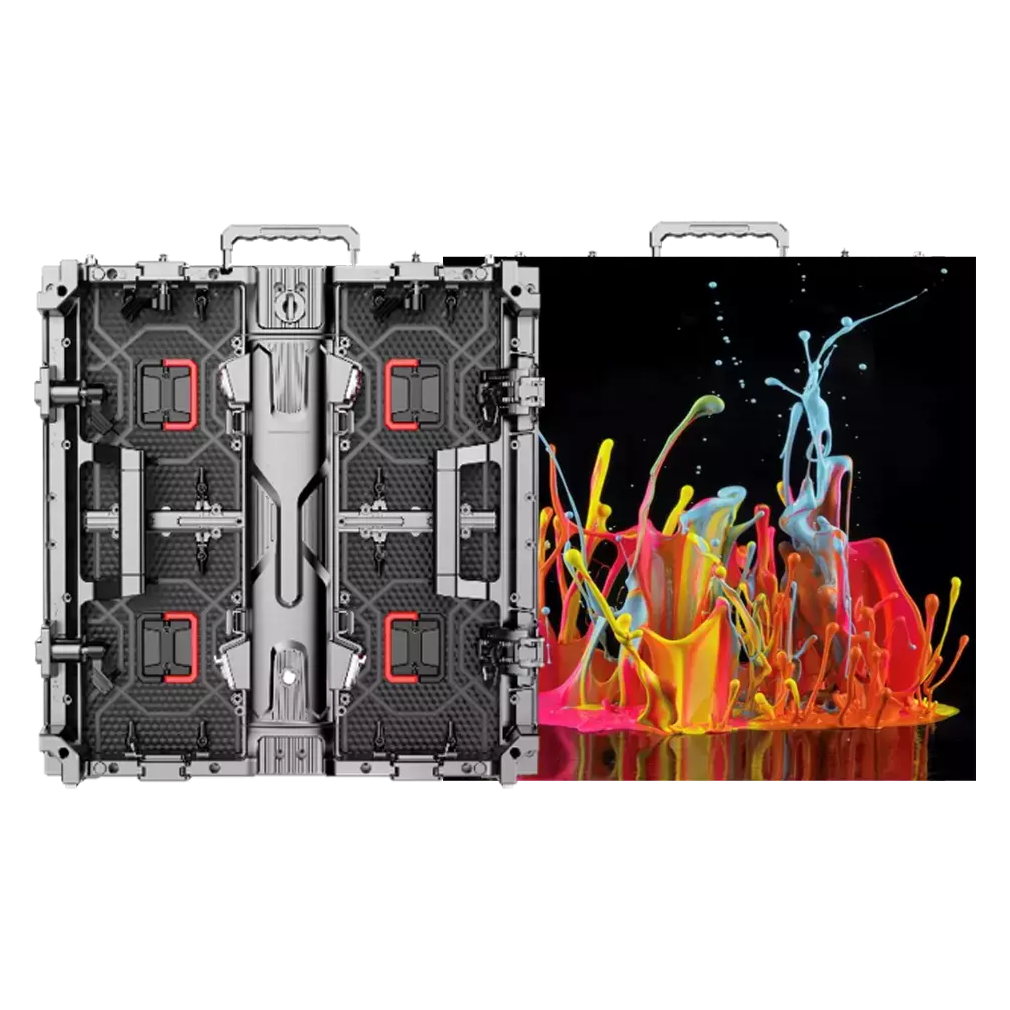
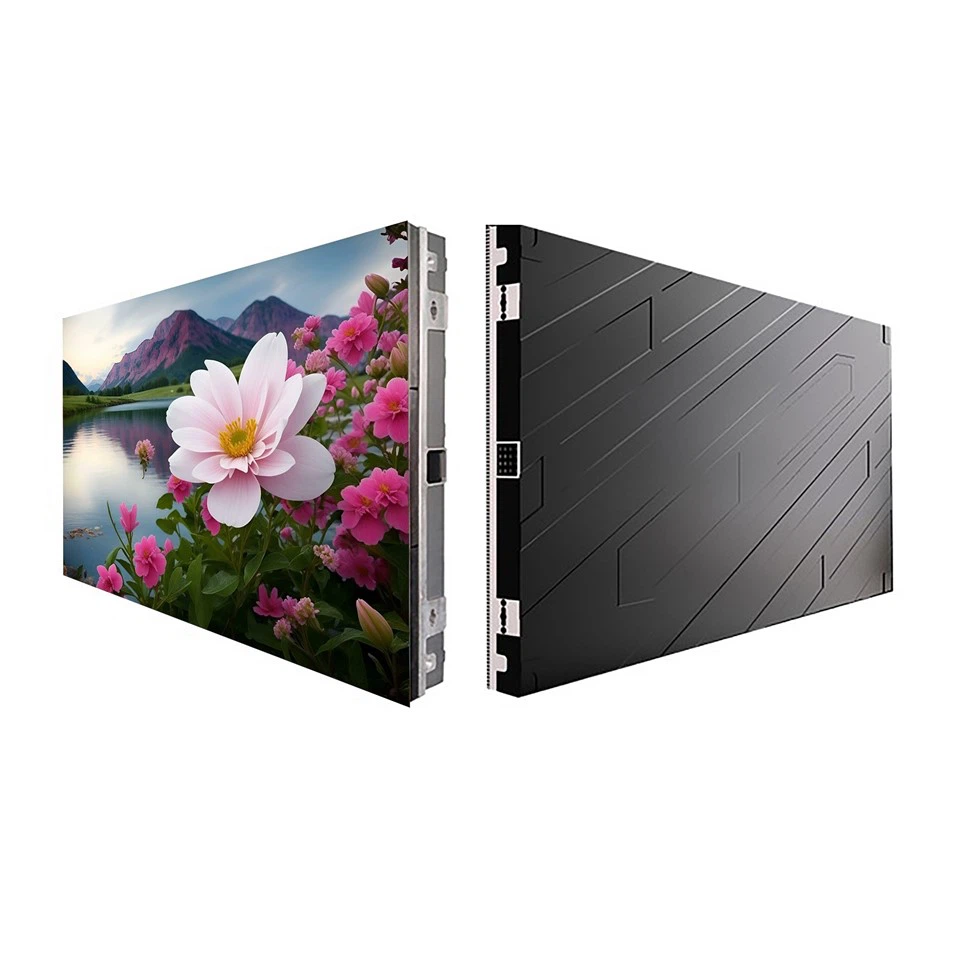
Many people think that the chips are neatly arranged on the back of the display. In fact, they are hidden in the "heart" of the module. When you disassemble a common P3 indoor screen, you will find 4-6 raised metal squares on the back of each module - this is the home of the driver chip. ​ ​The chip of the outdoor screen is better at camouflage​ ​, they are sealed under a waterproof glue layer and wrapped with special thermal conductive materials. If you don’t believe it, you can find the most evenly heated position on the large square screen.


How to choose three types of chips

There are three grades of mainstream chips on the market. Let’s use an analogy with a mobile phone to understand:

Chip typeEquivalent to mobile phoneApplicable scenariosService life
EconomicalThousand Yuan Android PhoneWord screen/simple billboard2-3 years
commercial gradeflagship phoneShopping mall digital signageabout 5 years
Industrial gradeThree defense military aircraftSports venues/transportation hubsMore than 8 years

The screens upgraded at subway stations last year used industrial-grade chips. It is said that these chips can work normally in the environment of -40℃ to 85℃, and can still output a stable brightness of 4000nit in heavy rain.


Parameter pit avoidance guide

Novices are most likely to stumble on three parameters:

  1. ​Don’t just look at numbers for refresh rate​ ​: 1920Hz sounds quite high, but you should pay attention to whether it is a global refresh or a local refresh. A customer bought a "high-brush" chip for cheap, and as a result, obvious smearing appeared when playing racing videos.
  2. ​Grayscale hidden tricks​ ​: There seems to be little difference between 14bit and 16bit. When actually displaying gradient colors, the low grayscale chip will have color block faults like an old radio tuner.
  3. ​Thermal design needs to be tested​ ​: Don’t believe the “efficient heat dissipation” on the promotional page. Use an infrared thermometer to measure it for half an hour. If the temperature difference around the chip exceeds 15°C, return it immediately.

The hidden secrets of purchasing channels

There are three main ways to buy chips now:

  1. E-commerce platform: Suitable for small batch purchases, but pay attention to the "ESD protection level" on the test report. Do not consider anything lower than 8KV.
  2. Professional Market: There is a stall in Huaqiangbei, Shenzhen that specializes in dismantling chips. The price is 30% cheaper, but there are many hidden diseases, so novices should be cautious.
  3. Direct supply from the original factory: Although the minimum order quantity is high, you can get it​ ​Three-year warranty + free firmware upgrade​ ​, bulk purchasing is more cost-effective

A friend who works in stage rental complained to me that the chips he bought in the second-hand market showed color deviation after three months of use. The repairs delayed two commercial performances and cost him more than 80,000 yuan in liquidated damages.


What will future chips look like?

"Dual-core architecture" is becoming popular in the industry, which is like equipping a display with a brain and a cerebellum - the main chip is responsible for image processing, and the secondary chip is dedicated to color calibration. This design allows the screen to maintain color difference at a professional-level level of ΔE<1.5 during its five-year use period. I heard that the new standard to be released next year also requires a built-in environmental sensor in the chip, which can automatically adjust the gamma value according to the surrounding light.


The editor thinks that choosing a chip is like looking for a partner. It’s not enough to just look at the appearance parameters, but also to look at the actual performance in daily life. Next time you see a flight information screen at the airport, take a closer look - there is only a slight sound of electricity when a good-quality chip is working, but be careful with those that buzz. By the way, some manufacturers are currently developing self-repairing chips, which are said to be able to automatically detect dead pixels and redistribute circuits. If this is actually mass-produced, it is estimated that the entire industry will have to be reshuffled...

for more product information and pricing, please contact us .

Shenzhen New Screen Display Technology Co.Ltd