Hi~welcome to shenzhen xinmu display technology co., ltd.!

News Center

hotline:

13632760729

Where is the LED display model hidden?

2025-10-25 80

Do you often encounter this situation? I saw a cool large screen in the mall and wanted to buy the same model, but I couldn’t even figure out the model number. ; Or when servicing, I searched the entire screen and couldn't find the product label. Today we are just like playing an escape room, digging out the hiding place of the LED display model.

Where is the LED display model hidden?

1. Model password visible to the naked eye

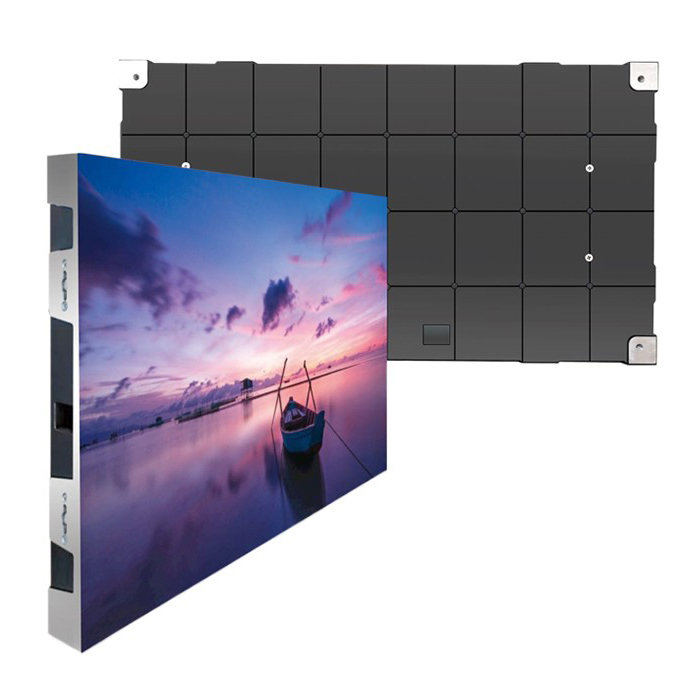
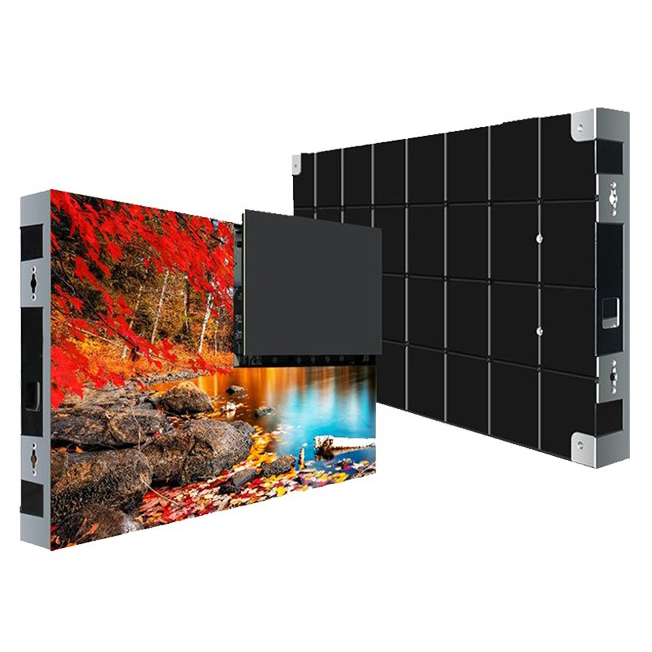
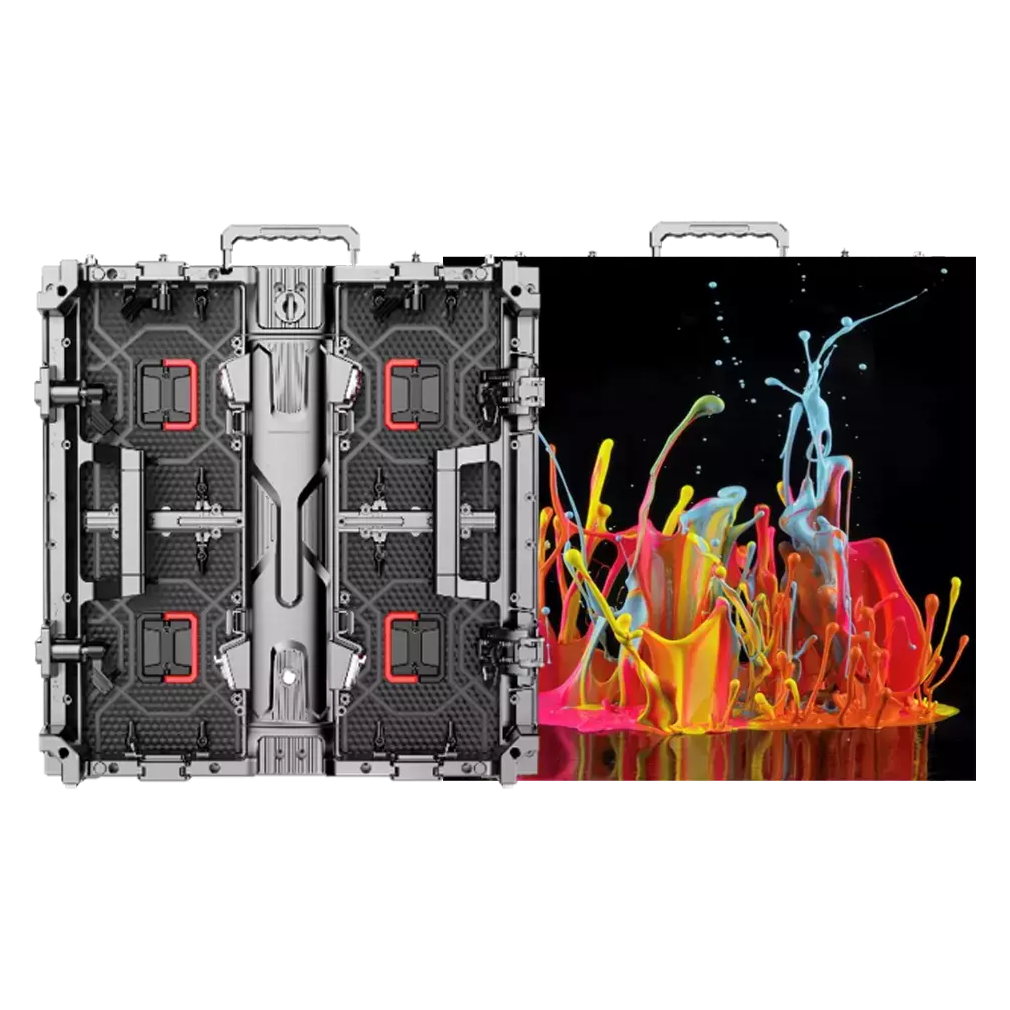
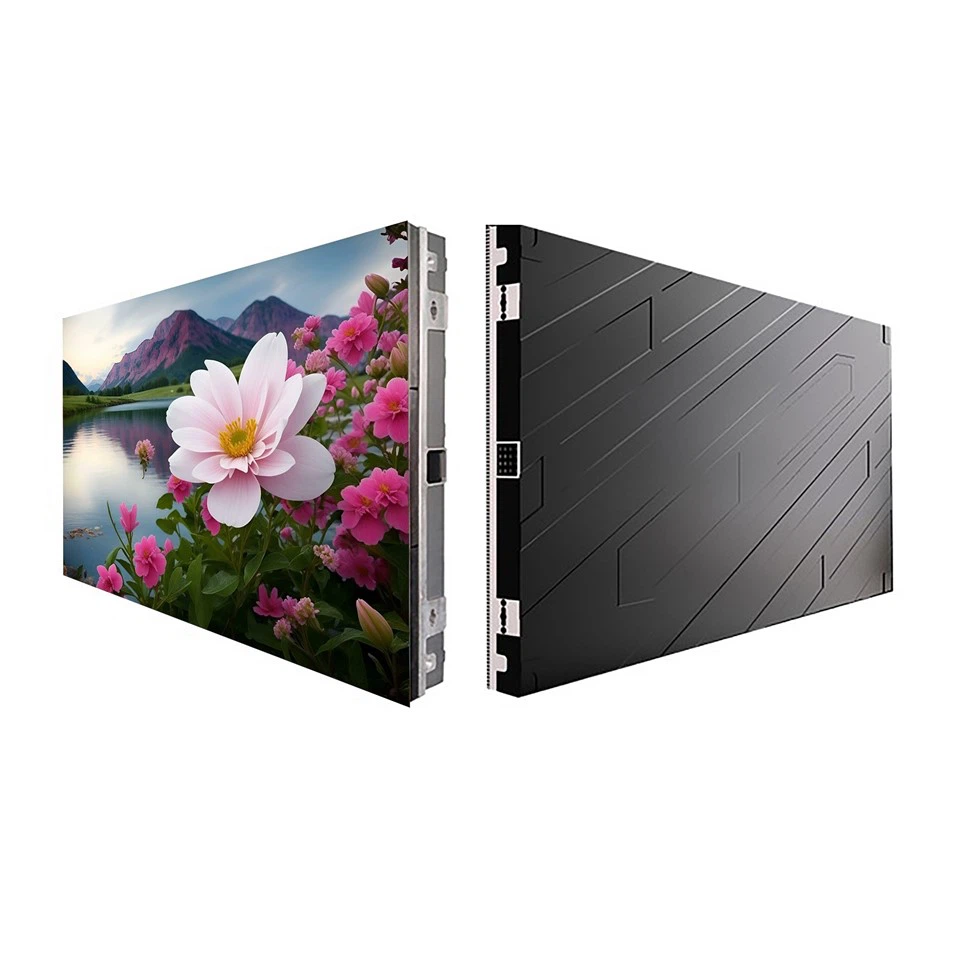
​The first tip: keep an eye on the back of the module​
Just like the network access license posted on the back of a mobile phone, the model password is usually printed on the back of the LED module. For example, when you see the string of characters "P3-6464-2121-32S", P3 represents the pixel pitch of 3mm, 64×64 is the module pixel, and 2121 refers to the lamp bead model. Last year, I helped a friend look at the stage screen at a concert. I found out through this that the supplier used P4 to pass it off as P3, which saved 30% of the budget.

​The second trick: Count the lamp beads to measure the spacing.​
Take a student ruler and measure the distance between the centers of adjacent lamp beads. 3mm is P3 and 4mm is P4. But be careful! Some manufacturers will play permutation tricks. For example, the case mentioned on web page 3 is clearly marked P3, and the measured spacing is 3.9mm. This is a typical "virtual parameter standard". At this time, take out your mobile phone, turn on the camera magnification function, and count how many lamp beads there are within 1 meter, using 1000mm÷number of lamp beads = true point spacing.


2. The mystery hidden in the control system

I encountered a funny thing last week: the screen in a gym kept flickering, and I found a clue on the receiving card - the control card model is an antique from 2018, and it can't drive 4K video sources at all. Here are three tips for you:

  1. ​Check the receiving card label​ ​: Just like a computer motherboard has a model number, the receiving card will have a code like "SN:NS-RX2025" printed on it. The number at the end often represents the supported resolution level.
  2. ​See software identification​ ​: Connect to the control computer, and the professional software will automatically display the screen parameters. The key point is to see whether the refresh rate is ≥1920Hz, which is related to the smoothness of the picture.
  3. ​Test load capacity​ ​: For example, a card with a nominal capacity of 256×256 pixels actually freezes when using 200×200, indicating that there may be a false standard.

3. Cracking secrets under special circumstances

What should I do if I encounter a second-hand screen without a label? Don’t panic, these tips can save your life:

  • ​light irradiation method​ ​: Use a flashlight to illuminate the surface of the screen obliquely. Genuine lamp beads will have unique reflective patterns. For example, the anti-counterfeiting design of a certain brand is a hexagonal honeycomb pattern, while imitations are usually ordinary dots.
  • ​Power port reasoning​ ​: Count the number of power supply interfaces. For example, a 10㎡ P3 screen normally requires 6 5V interfaces. If it is equipped with only 4, it will either have a virtual power standard or a modified screen.
  • ​Pixel calculation​ ​: Use the total resolution to infer the model. For example, for a 3840×2160 4K screen, if 32 modules are spliced ​​together, a single module will be 120×68 pixels, and the true pixel spacing can be calculated based on the size.

4. Those pitfalls that are easy to step on

A shopping mall was renovated last year, and the "P2.5" screen it purchased always felt blurry when playing food videos. Later, I used a microscope to look at the lamp beads and found that they were fake P3 lamp beads in a compressed arrangement. The actual effective pixels were 18% less. Here is a reminder for beginners:

  1. ​Be wary of hybrid models​ ​: Some rental screens use P3 for the main screen and P4 for the corners to save costs.
  2. ​Waterproof ≠ outdoor screen​ ​: IP65 protection is only the basis. The brightness of a real outdoor screen must be ≥5000cd/m², and it must also have an anti-UV coating.
  3. ​Control card compatibility​ ​: Older cards may not support HDR format, just like running 4K video on WinXP system

Editor's opinion

Finding the model number is like playing a detective game. You need to understand both hardware knowledge and software operation. Remember two principles: seeing is believing (more actual measurements and less faith in labels), and tracing to the source (reverse parameters from the control system). Next time you encounter a "three-no" display, you might as well try using the total pixels ÷ physical size to calculate it - this method is more accurate than fortune telling, you know!

for more product information and pricing, please contact us .

Shenzhen New Screen Display Technology Co.Ltd