Hi~welcome to shenzhen xinmu display technology co., ltd.!

News Center

hotline:

13632760729

Why does the LED screen get hot? How to cool down effectively?

2025-10-22 66

I wonder if you have ever noticed that those big, bright screens in shopping malls are always hot to the touch? Last month I passed by the Digital City and saw with my own eyes the maintenance man holding a temperature measuring gun and pointing it at the screen and "beep" - oh boy, 68°C! You can fry eggs at this temperature. Today we are going to chat about, where does the heat of these LED screens come from? Why do some screens become "yellow-faced" after three years, while others can remain "cold and stunning"?


​Anatomy of the three major sources of heat​
You might not believe it if you tell me.​ ​70% of electrical energy​ ​In fact, it all turns into heat. Just like your mobile phone will heat up when charging, when the LED lamp beads are working, the impedance heat generated when the current passes through is the number one "stove". Specifically, it mainly comes from three places:

Why does the LED screen get hot? How to cool down effectively?
  1. ​driver chip​ ​: The control chip behind each pixel can reach a temperature of 80°C during operation (equivalent to the high temperature setting in a sauna)
  2. ​The lamp itself​ ​: Especially in high-brightness mode, the temperature of red light beads is about 15℃ higher than that of blue light.
  3. ​Power module​ ​: The process of reducing the 220V voltage to 5V is like pinching a water pipe to make the water flow thinner. You know the friction generates heat.

​chain reaction caused by high temperature​
A large-screen blackout incident at an exhibition last year was later found to be caused by high temperatures. Sustained high temperatures can cause:

  • The brightness of the lamp beads decreases by 8%-12% every year (just like the light bulb becomes darker after being used for a long time)
  • Solder joint materials accelerate aging (imagine a rubber band being baked every day)
  • The color deviation ΔE value exceeds the standard (it is not acceptable to display the face in Guan Gong color)

Actual measurement data shows that for every 10°C increase in temperature, the life of components is directly cut in half. This is like having people work in a 40℃ environment every day. No one can stand it!


​Cooling technology revealed​
The mainstream cooling solutions on the market today are, to put it bluntly, "guerrilla" against heat:

  • ​Aluminum substrate thermal conductivity​ ​: It’s like putting an ice pad on the chip, which can quickly spread the heat
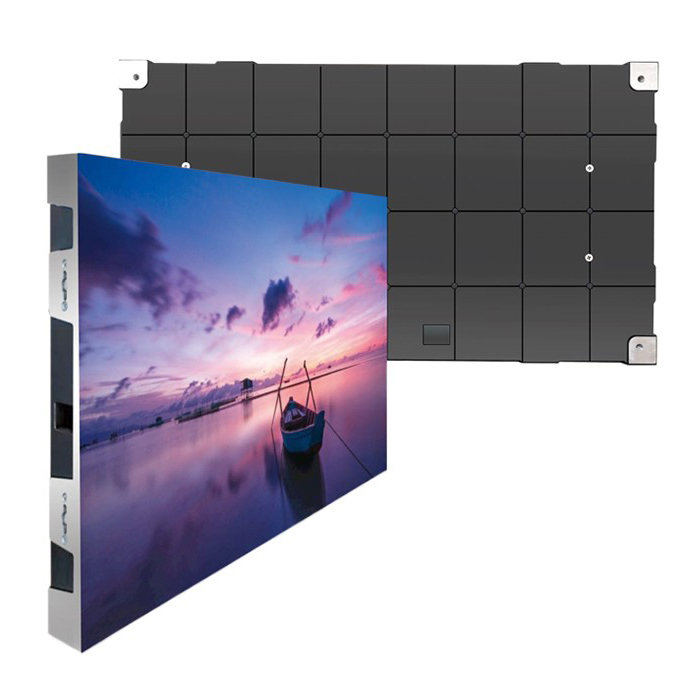
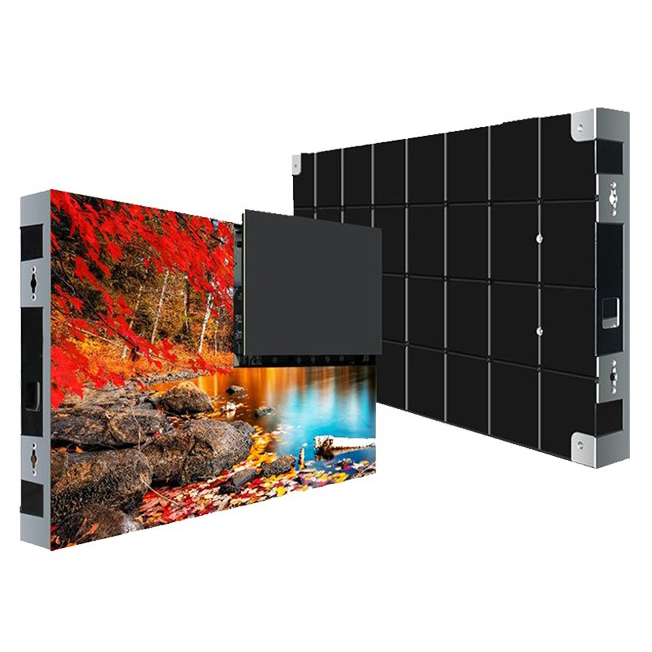
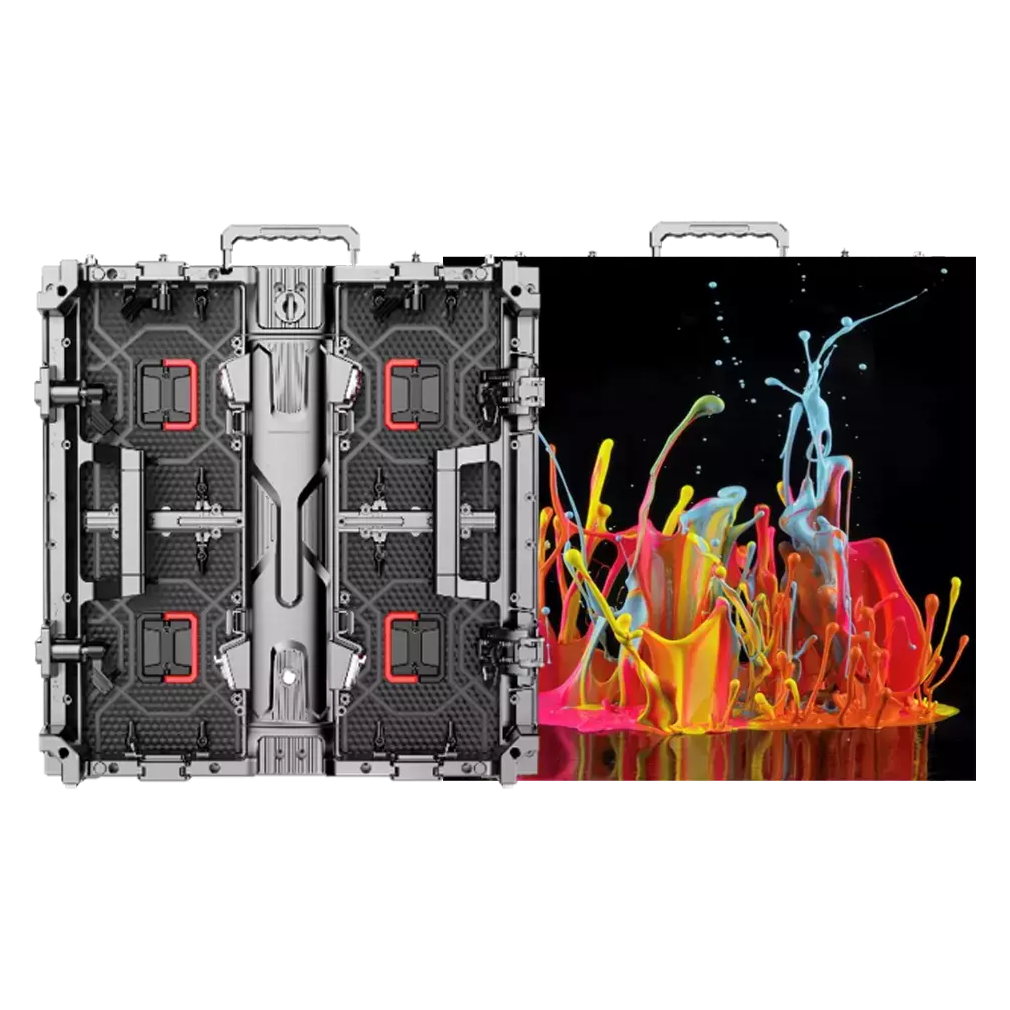
  • ​turbine duct​ ​: A labyrinth-like wind path is designed in the box to take away heat by natural convection.
  • ​phase change materials​ ​: Some high-end screens contain special materials that "sweat" and melt when they absorb heat.

There is quite interesting data - for a screen of the same size, after using the intelligent temperature control system, the overall temperature can be reduced by 22°C. This difference is equivalent to the difference between wearing a down jacket and short-sleeved shirts in an air-conditioned room!


​Frequently Asked Questions Quick Answers​
Q: Why don’t some screens feel hot to the touch?
A: The secret lies in the heat dissipation structure! For example, use​ ​Vacuum chamber vapor chamber​ ​The surface temperature of the screen can be controlled within 50℃, and the temperature difference can be 20% compared with ordinary heat sinks.℃

Q: Will the screen get "cold" when it rains?
A: Just the opposite! High humidity will cause dust to form mud, which may even make it clogged with heat dissipation holes. In the southern region, it is recommended to clean the dust filter every quarter

Q: Can I install a fan myself?
A: Never! Changing the air ducts may cause hot air to circulate inside, just like blowing a hair dryer on your hair. The more it blows, the hotter it gets.


I recently saw an interesting industry report - a screen using liquid heat dissipation can maintain a brightness retention rate of 92% after five years, which is 34 percentage points higher than traditional heat dissipation methods. This reminds me of the ten-year-old TV in my hometown. Now everything I watch looks like it is covered with a layer of yellow gauze. So, when buying a screen, you can’t just look at whether it’s bright or not, but you also have to ask whether it can withstand heat. The next time you see those screens that claim to be "ice cooling", remember to touch its back - if there is no warmth at all, then you are really good at it!

for more product information and pricing, please contact us .

Shenzhen New Screen Display Technology Co.Ltd